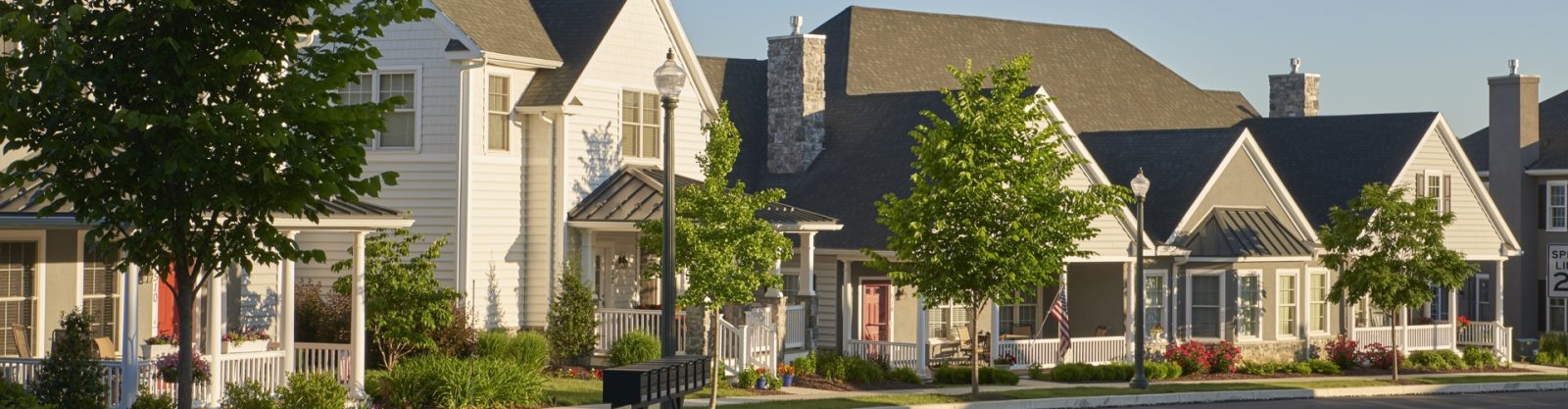
What’s the optimum distance for a satellite community?
At our LeadingAge 2025 panel session focused on growth via satellite community, an audience member asked where we’d draw the line.
It Depends . . .
The most accurate answer is that proximity should be based on your organization’s strategic objective for creating a satellite. For some, the threshold would be five miles or under a 10-minute drive; for others distance matters less.
If a satellite is intended to complement the existing campus—sharing dining venues, care services, or even staff—then keeping the communities near one another becomes far more important. In these cases, distance directly affects operational efficiency and the resident experience.
On the other hand, some organizations pursue satellites precisely because they want to extend their reach into a new market segment. If the satellite is designed to appeal to a younger consumer, meet a different price point, or establish a presence in a different neighborhood, then physical distance can actually be an advantage rather than a limitation. But before diving deeper, it helps to clarify what we mean by a satellite community.
Satellite Senior Living Communities Defined
Although there is no official industry definition, satellite communities share several characteristics that distinguish them from either standalone communities or full sister campuses.
- Secondary expansion location tied to the original campus
- Not physically part of the main property; operates with partial independence
- Relies on the main campus for selected services (e.g., higher levels of care, specialized amenities or support services)
- Easily accessible from the original campus and located in the same broader market
- Primarily independent living
- Smaller scale relative to the main campus
By contrast, a sister community is more self-sustaining, often offers the full continuum, and may not even be in the same geographic market. Understanding this distinction is key to determining how far a satellite can reasonably be from its originating campus.
With that framework in mind, we can return to the core question: how far is too far?
Optimum Distance for a Senior Living Satellite Community Depends on Your Growth Objectives
When Staying Close Strengthens the Model
If your satellite is expected to share services with the main campus, staying within a roughly ten-minute drive becomes highly advantageous. Close proximity supports a wide range of operational benefits:
- Shared dining programs
- Cross-campus amenities (e.g. fitness/cultural/event centers)
- Efficient transportation flows
- And the kind of resident intermingling that can make a multi-campus ecosystem feel cohesive rather than disconnected.
Proximity also becomes a practical staffing advantage. When campuses can share amenities, activities, or select services—rather than duplicating them—organizations can reduce the staffing load required at each individual site. This allows teams to be deployed more efficiently while still supporting a robust resident experience across both campuses.
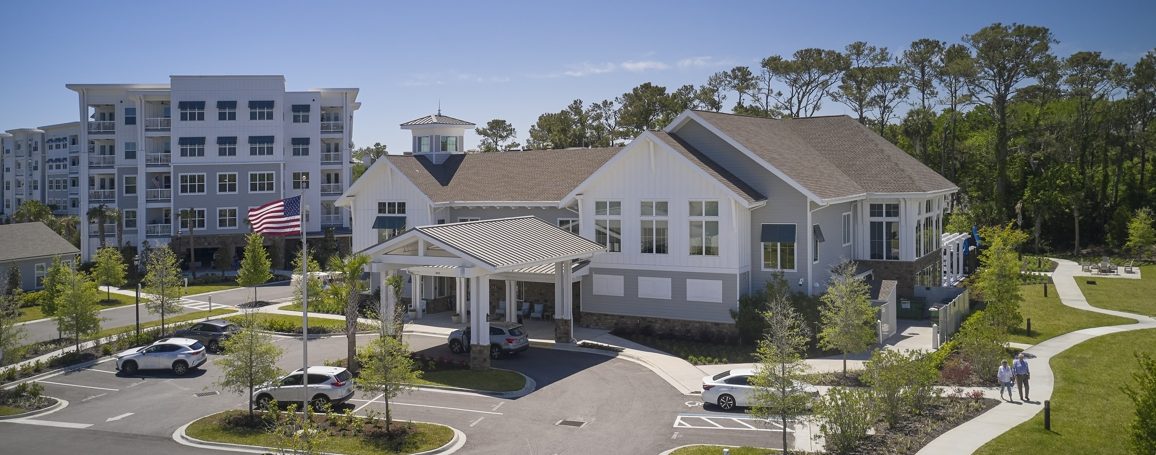
For example, at Vicar’s Landing in Ponte Vedra Beach, Florida, the Oak Bridge satellite campus relies on the original Sawgrass campus for access to its large multi-purpose and performing arts venue. The value of that resource is directly tied to how easily residents can travel between sites.
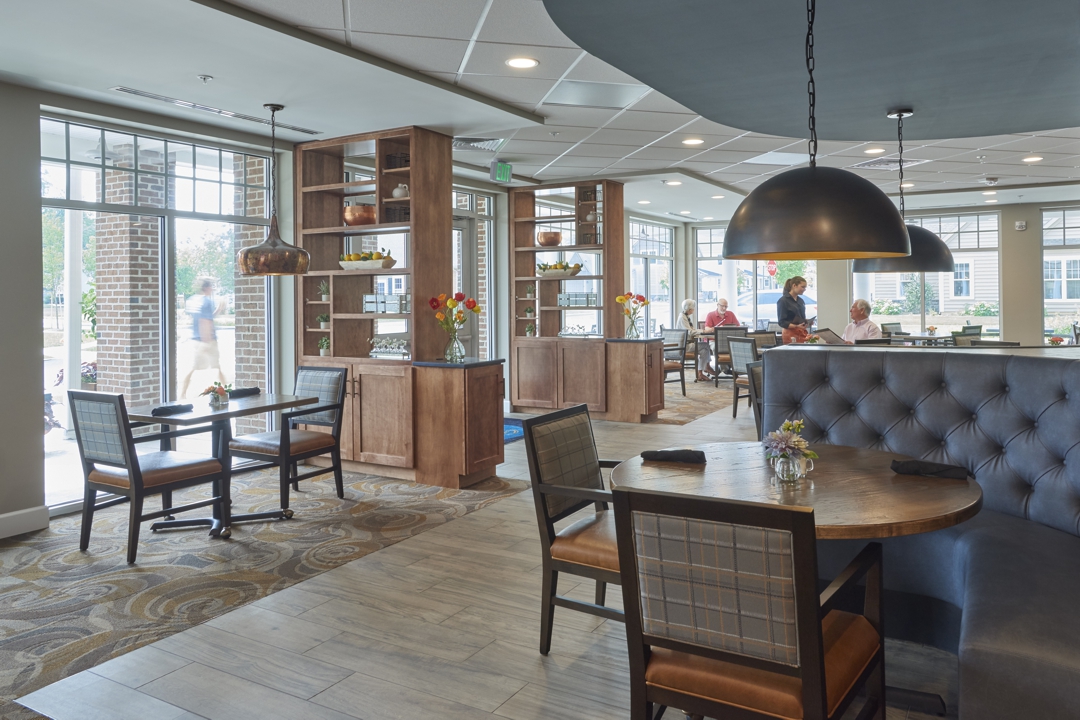
A similar dynamic is seen at Moravian Manor Communities, where the Warwick Woodlands satellite introduced a new dining venue, The Owl’s Nest, that broadens choices for residents on the main campus while also welcoming the public during designated hours. The arrangement enhances both campuses, but only works smoothly because of manageable proximity.
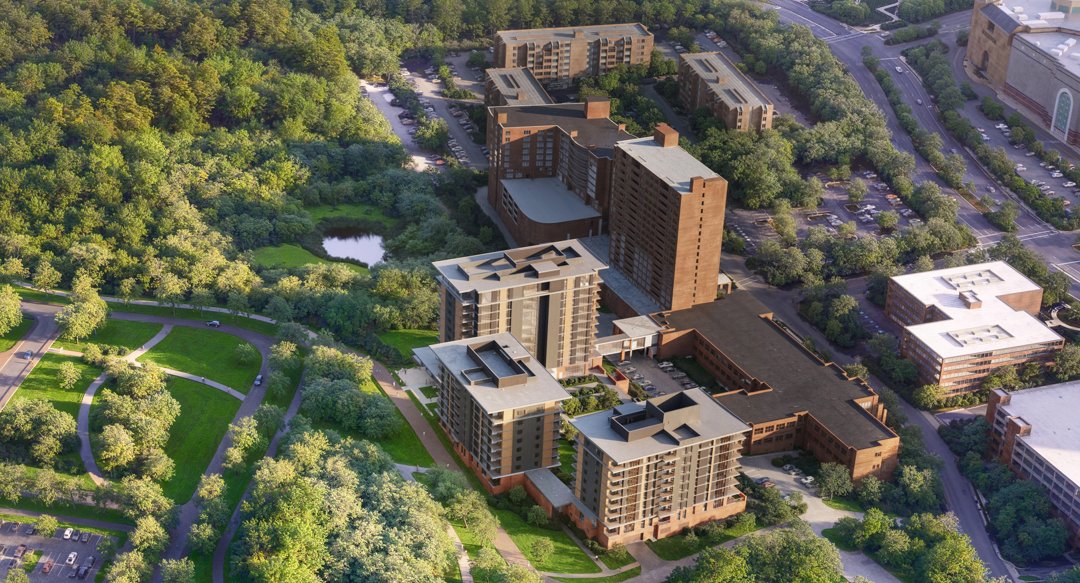
In other cases, such as Inspire, the Edenwald and Goucher College University Retirement Community partnership, proximity is integral to the concept itself. The connection is not just geographic but physical, with learning and programming opportunities made possible because the satellite is being developed directly on the Goucher campus. Here, location is a strategic catalyst.
These examples highlight an important point: when shared services, shared culture, or shared programming are central to your vision, distance is not merely a logistical detail, it is a strategic constraint.
When Greater Distance Can Be a Strength
In other scenarios, distance becomes much less of a factor and may even help the satellite serve a distinct market niche.
If your goal is to reach a different demographic or offer a new price point, a satellite located farther from the main campus can still be successful as long as it does not rely heavily on the original community’s daily services.
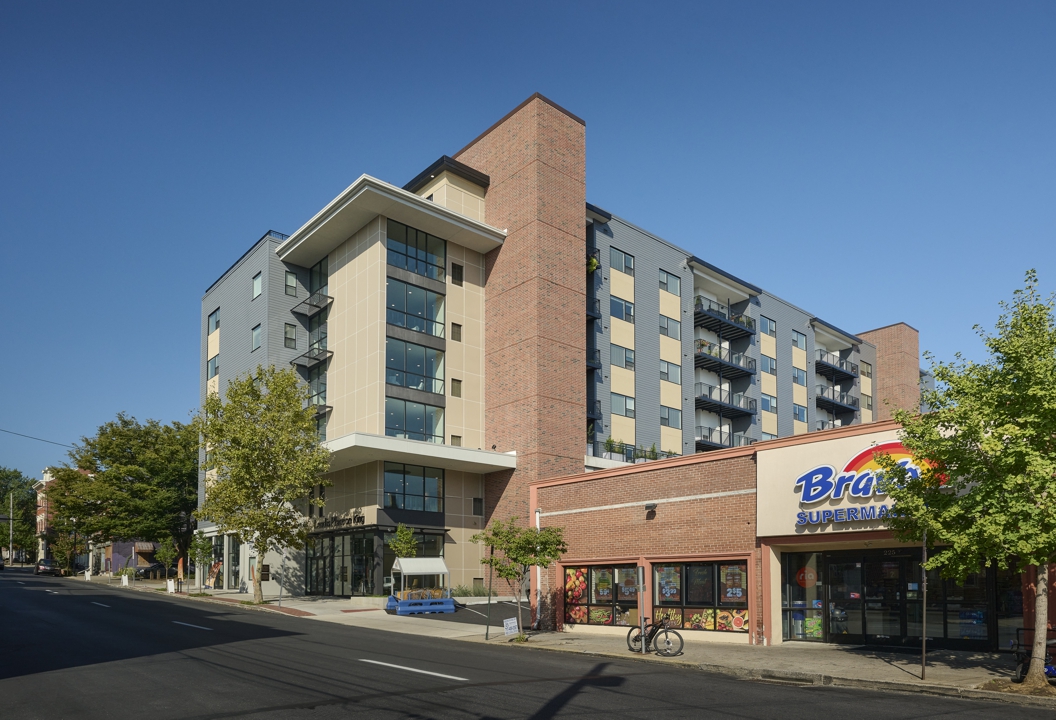
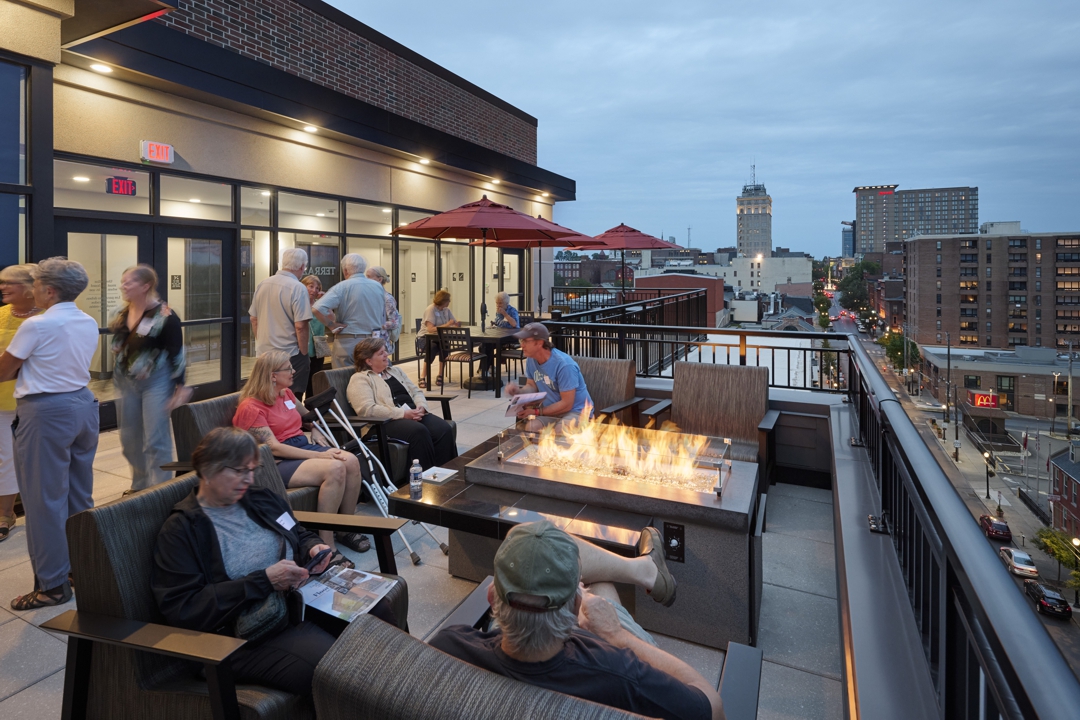
This is the case for Landis Place on King, a downtown satellite for Landis Communities. The objective here is to meet residents where they are rather than draw them to the suburban main campus. The result is a location that offers 79 age-restricted rental apartments at a mix of market-rate, low-income, and middle-income price points. Residents can still access support through Landis at Home for services such as meal preparation, medication reminders, and transportation. But these are delivered on a fee-for-service, decentralized basis rather than through a campus-integrated Life Plan Community model.
In examples like this, the satellite serves as a market extension rather than an operational extension, and the need for proximity becomes far less critical.
Frequently Asked Questions
Here are answers to some of the most common questions we hear from Life Plan Community leaders when evaluating satellite locations
What is the typical distance between a senior living satellite community and the main campus?
There is no universal standard, but many Life Plan Communities consider a satellite to be within a 5–10 minute drive of the main campus when shared services, amenities, or staffing are part of the model. If the satellite caters to a different market segment or does not rely heavily on main-campus support, the distance can be greater, sometimes in a different part of the market area.
How does distance between campuses impact operations and resident experience?
Distance primarily affects the feasibility of shared services. Closer proximity allows the main campus to more easily support dining, events, or staffing transitions. Greater distance offers more flexibility to diversify your market, but typically requires the satellite to be more operationally independent and to align services with the needs of the community’s specific location.
What factors should Life Plan Community leaders consider when choosing a satellite location?
Key considerations include your strategic objective for the satellite (service extension versus new market), the availability of shared or dedicated staffing, transportation logistics, market demand, and whether proximity enhances or limits resident engagement across campuses. Market positioning—such as attracting younger buyers or offering mixed-income options—may also influence your ideal distance.
Want to Learn More about a Senior Living Satellite Campus?
Whether your satellite expansion should be a near neighbor to your primary campus or located in another part of your service area depends on your mission, market, operational strategy, and growth goals. Some satellites are designed to expand choices for people already drawn to your Life Plan Community, while others introduce your organization to entirely new audiences.
For a deeper exploration of strategic frameworks and case study examples of these models—you can View and Download our Senior Living Satellite Community white paper.