About the Webinar
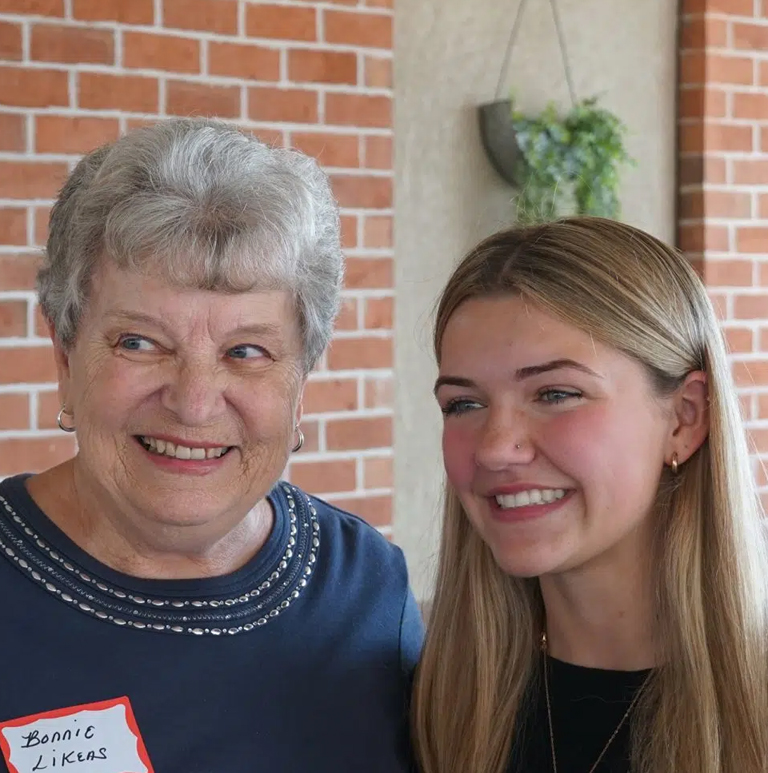
Senior living and higher education leaders joined a panel of experienced practitioners to discuss how long-term partnerships between Life Plan Communities and colleges or universities are taking shape across the country.
The conversation explored what defines a University Retirement Community (URC), how these relationships form and evolve, the operational realities behind them, and why demand for intergenerational, campus-connected environments continues to grow.
What Is a University Retirement Community (URC)?
A University Retirement Community (URC) is a senior living community intentionally affiliated with a college or university through formal programming, access, and shared initiatives.
These partnerships combine lifelong learning and intergenerational engagement with a full continuum of care, allowing residents to remain connected to a university environment while aging in place.
Programming Comes First
Across examples shared, programming consistently led physical development. Shared classes, cultural events, dining access, internships, research initiatives, and experiential learning opportunities helped establish trust and momentum well before construction was complete.
The key takeaway was clear: partnerships gain credibility when people can participate in them early.
Operational and Governance Considerations
Universities and senior living organizations operate with different cultures, timelines, and priorities.
Panelists stressed the importance of:
-
Written agreements
-
Clearly defined roles and access
-
Dedicated coordination to support long-term collaboration
Many partnerships are structured through land leases, shared services, or formal programming agreements rather than ownership, allowing each organization to focus on its strengths while aligning around common goals.
Clarity early on helps relationships adapt as leadership and institutional needs change over time.
Why Demand Is Growing Now
Today’s retirees are the most highly educated generation to date and increasingly seek environments that support lifelong learning, intellectual engagement, and intergenerational connection.
Communities connected to higher education often draw from broader geographic markets and demonstrate strong demand, reflecting alignment between consumer preferences and this partnership model.
Perspectives from the Panel
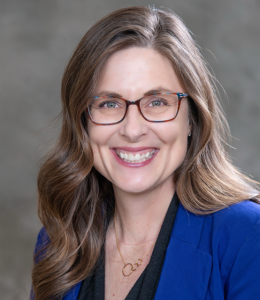 Deb Reardanz, President & CEO, ClarkLindsey (Urbana, IL)
Deb has established a strong partnership with the University of Illinois Urbana–Champaign, supporting research initiatives, internships, and intergenerational programs such as Artists in Residence.
“Interns don’t just learn from us. They teach us about the expectations of the next generation of workers.”
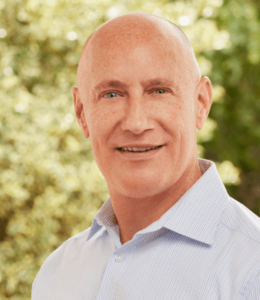 Mark Beggs, President & CEO, Edenwald (Towson, MD)
Mark leads Maryland’s first planned URC through Edenwald’s evolving partnership with Goucher College, where lifelong learning and campus engagement are core to the resident experience.
“People need to feel the relationship before the bricks and mortar are in place.”
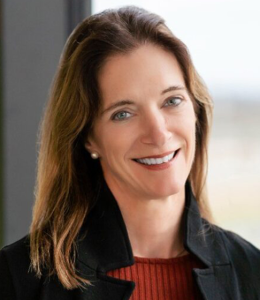 Vassar Byrd, CEO, The Kendal Corporation
Vassar oversees Kendal’s nationally recognized university partnerships, including those with Dartmouth, Oberlin, Cornell, and the University of Delaware.
“The most successful organizations in the next decade will be those that truly embrace partnership thinking.”
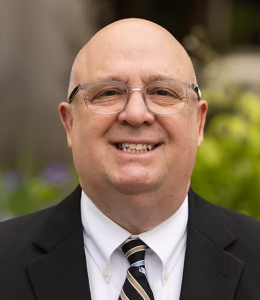 Andrew Carle, Founder, Carle Consulting, LLC
Known as one of the leading voices defining university-based retirement communities, Andrew developed the first URC directory and certification model and teaches senior living administration at Georgetown University.
“These are not short-term relationships — they can easily be hundred-year commitments.”
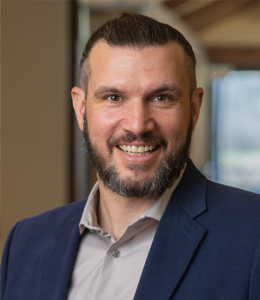 Moderator / Carson Parr, Partner, RLPS Architects
Carson leads both higher education and senior living master planning and design initiatives, with a particular focus on intergenerational and campus-connected environments.
“No two university retirement communities are alike. Success depends on relationships, people, and culture.”
Key Takeaways
-
There is no single model for senior living–higher education partnerships; success depends on people, culture, and trust.
-
Programming and engagement should begin early to establish momentum and credibility.
-
Clear governance, written agreements, and dedicated coordination support long-term success.
-
Demand for campus-connected, intergenerational environments is being driven by consumer preferences — not trends alone.
-
These partnerships benefit both institutions by strengthening learning, research, workforce development, and organizational adaptability.
Questions Leaders Are Asking About University Retirement Communities
During the webinar, participants raised candid questions about partnership structure, financing, proximity to campus, workforce development, and long-term sustainability.
We’ve summarized the panel’s responses to the most common questions in a separate Q&A post.