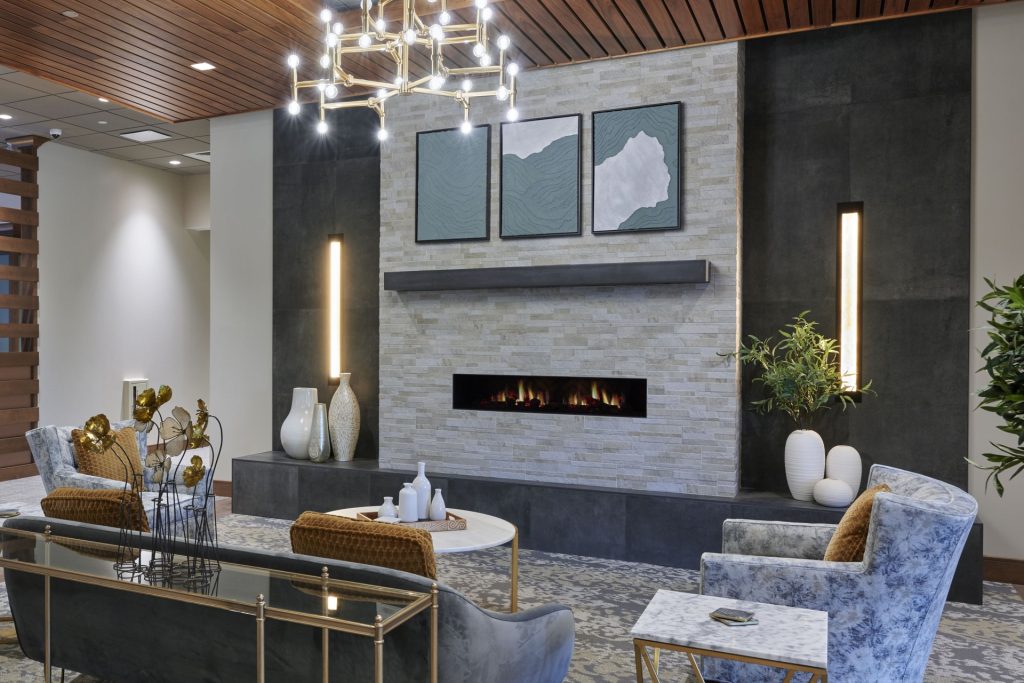
The most effective residence selection packages in senior living balance personalization with efficiency by limiting options, aligning with market expectations, and creating a clear, curated experience.
Future residents increasingly expect a home that reflects their personal style rather than a “one-size-fits-all” apartment, hybrid home or cottage. For Life Plan Communities, that reality presents both an opportunity and a challenge when planning independent living residence selections.
Offer too many choices, and the process can slow your sales, complicate construction, and create frustration for both residents and staff. Offer too few, and you risk falling short in a competitive market.
The goal is not more customization. It is structured personalization—a thoughtful approach that enhances the buying experience while supporting efficient project delivery.
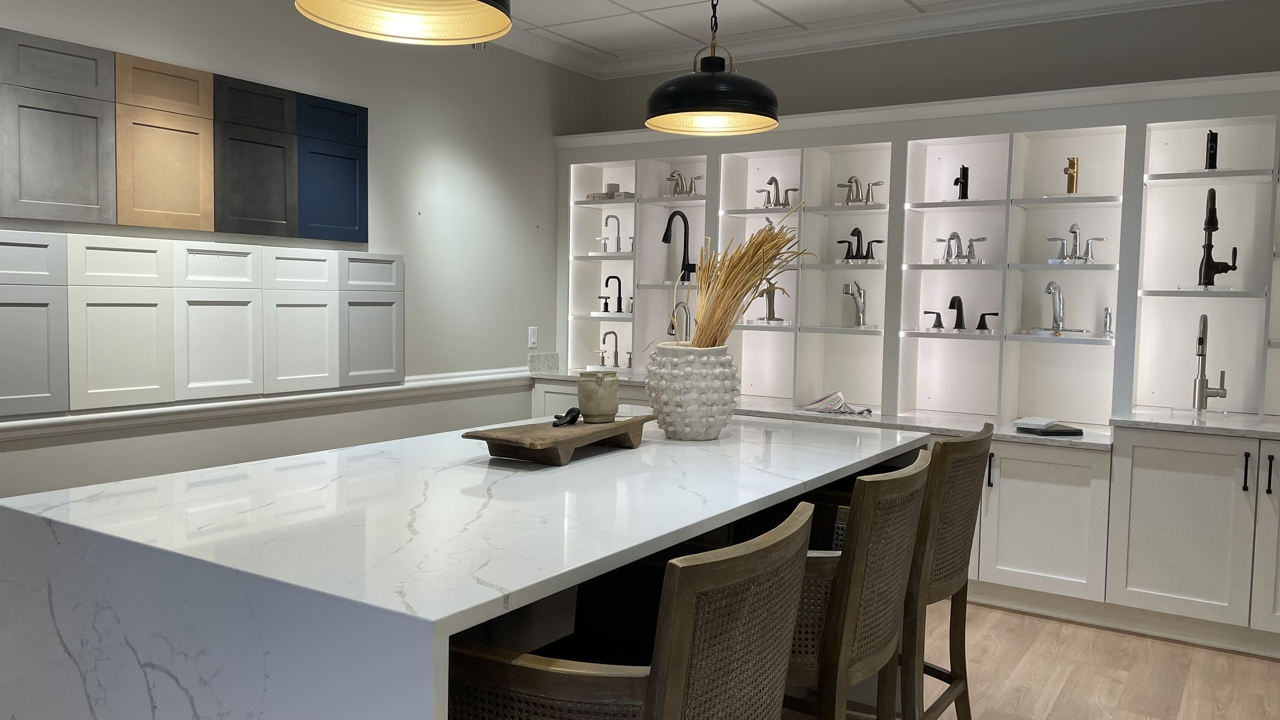
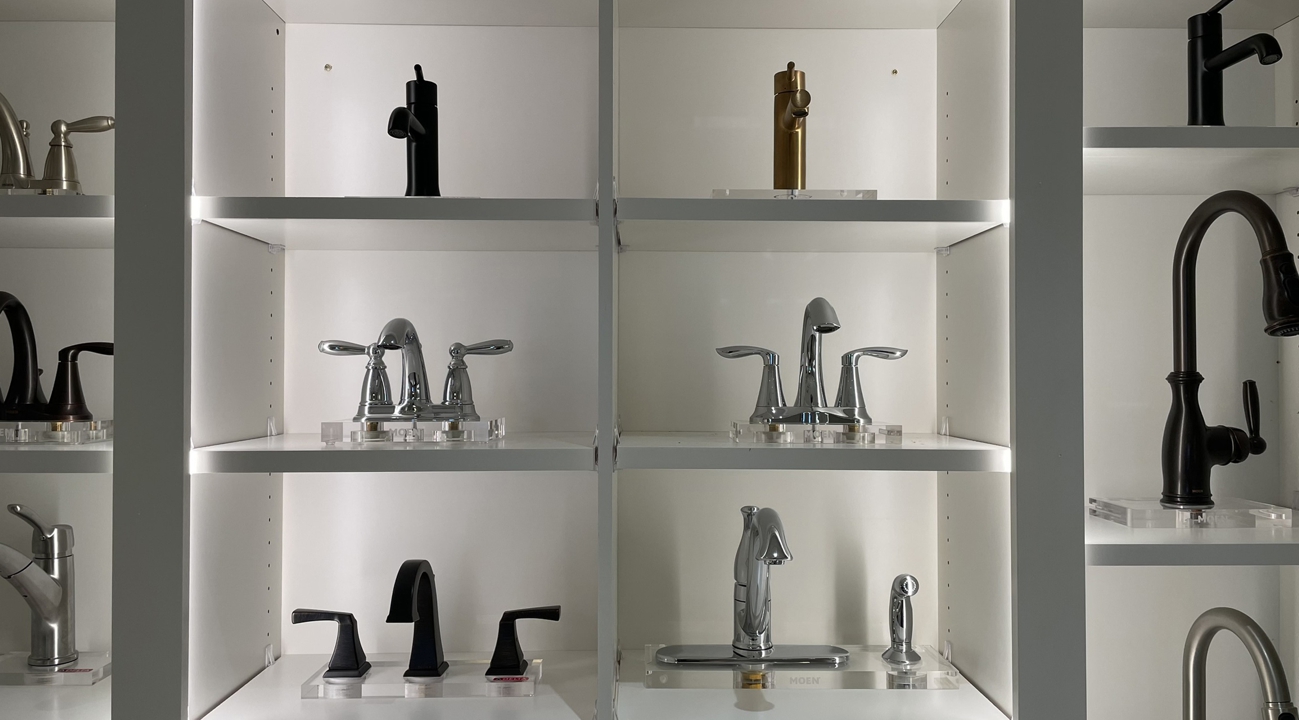
What Are Residence Selection Packages?
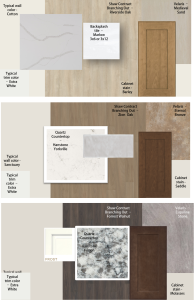
Residence selection packages provide people on your wait list with a curated set of finish and fixture options for their future home. These typically include flooring, cabinetry, countertops, plumbing fixtures, lighting, and hardware.
It is helpful to distinguish between two key terms as our interior design services team defines them:
- Selections are predefined options, often including a standard package and a limited number of upgrades.
- Customization involves choices outside of those predefined options and typically requires additional coordination, cost, and time.
A clear framework for both helps communities manage expectations while maintaining flexibility where it matters most.
Why Residence Selection Strategy Matters for Independent Living Expansions
In an independent living expansion, residence selections influence far more than aesthetics. They directly affect:
- Sales conversion, by shaping the ease and confidence of decision-making
- Project timelines, through procurement and coordination complexity
- Cost control, by limiting variability
- Resident experience, both during the selection process and after move-in
When thoughtfully structured, selection packages become a strategic tool for successfully moving future residents into their new home within your community.
1. Start with Market Positioning, Not Materials (for Residence Selections)
The most successful selection strategies begin with alignment between finishes and market positioning.
Early conversations with the sales team help clarify whether the goal is to align with current standards, refresh a current offering or to differentiate a new product. In many expansions, especially those introducing a new price point, the level and quantity of options may need to shift accordingly.
Understanding what prospective residents are asking for and what they value most provides a critical foundation. Without that clarity, communities can unintentionally offer too many options, or the wrong ones.
2. Make the Selection Process Tangible
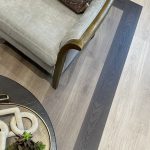
Selections are easier to navigate when future residents can see and experience them in context.
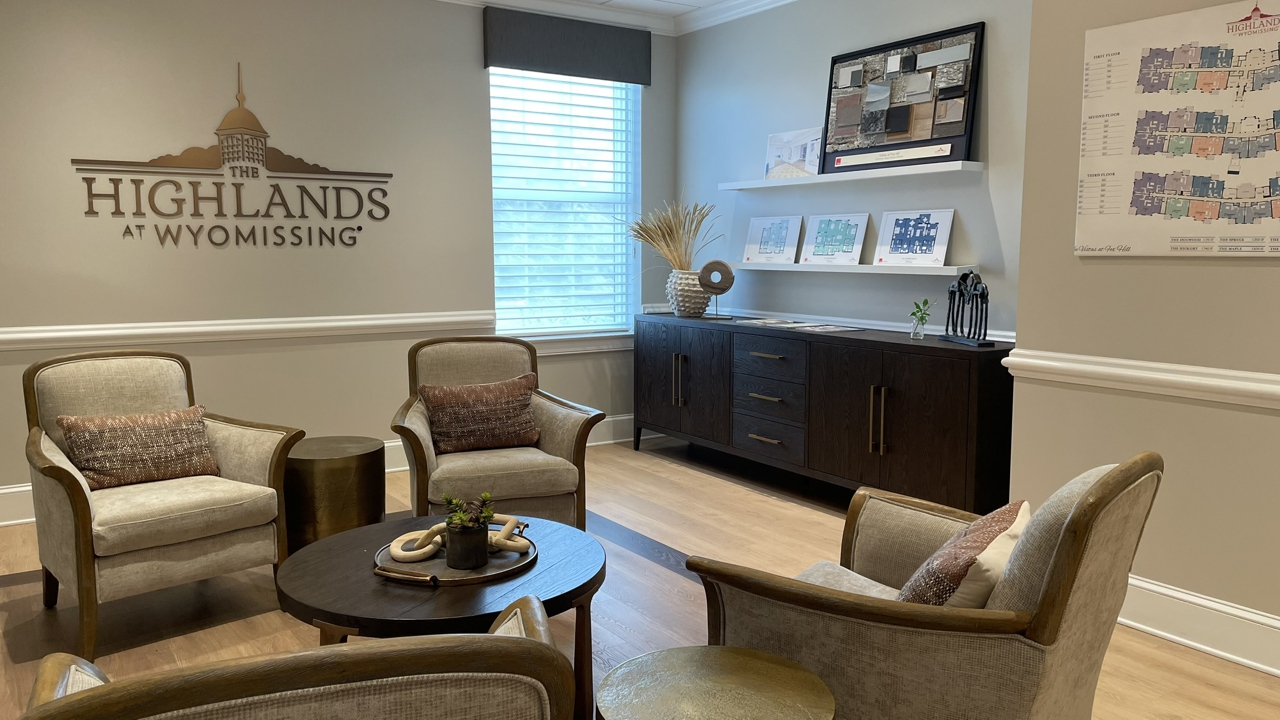
We recommend that communities incorporate materials directly into their sales center, allowing prospective residents to interact with finishes rather than interpret them from samples alone. Wherever possible, leveraging standard options within these spaces helps reinforce consistency between what is shown and what is delivered.
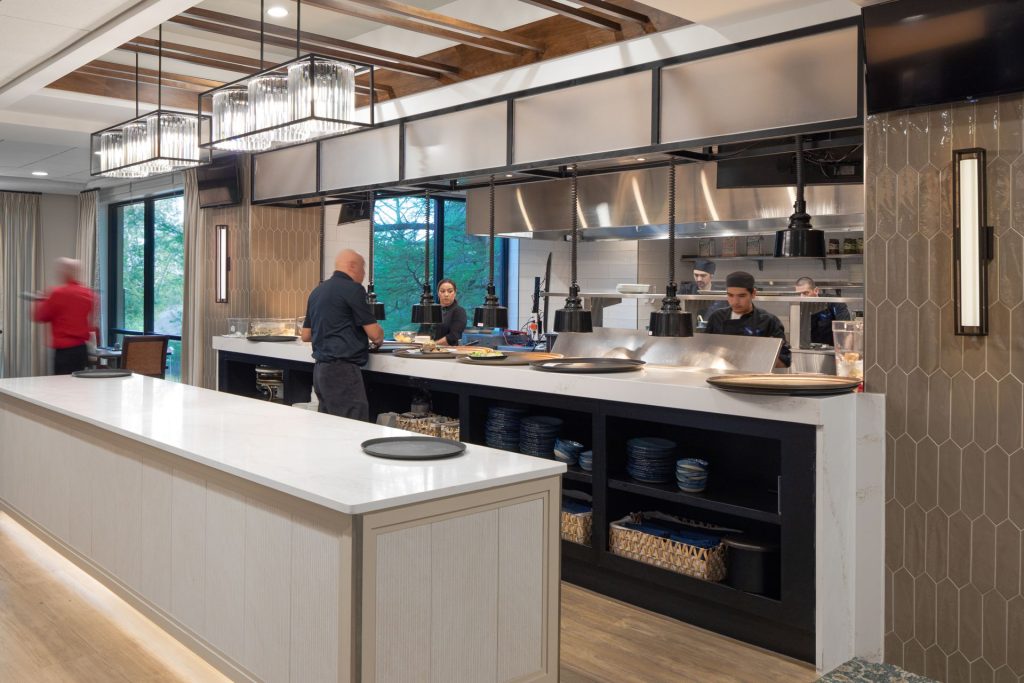
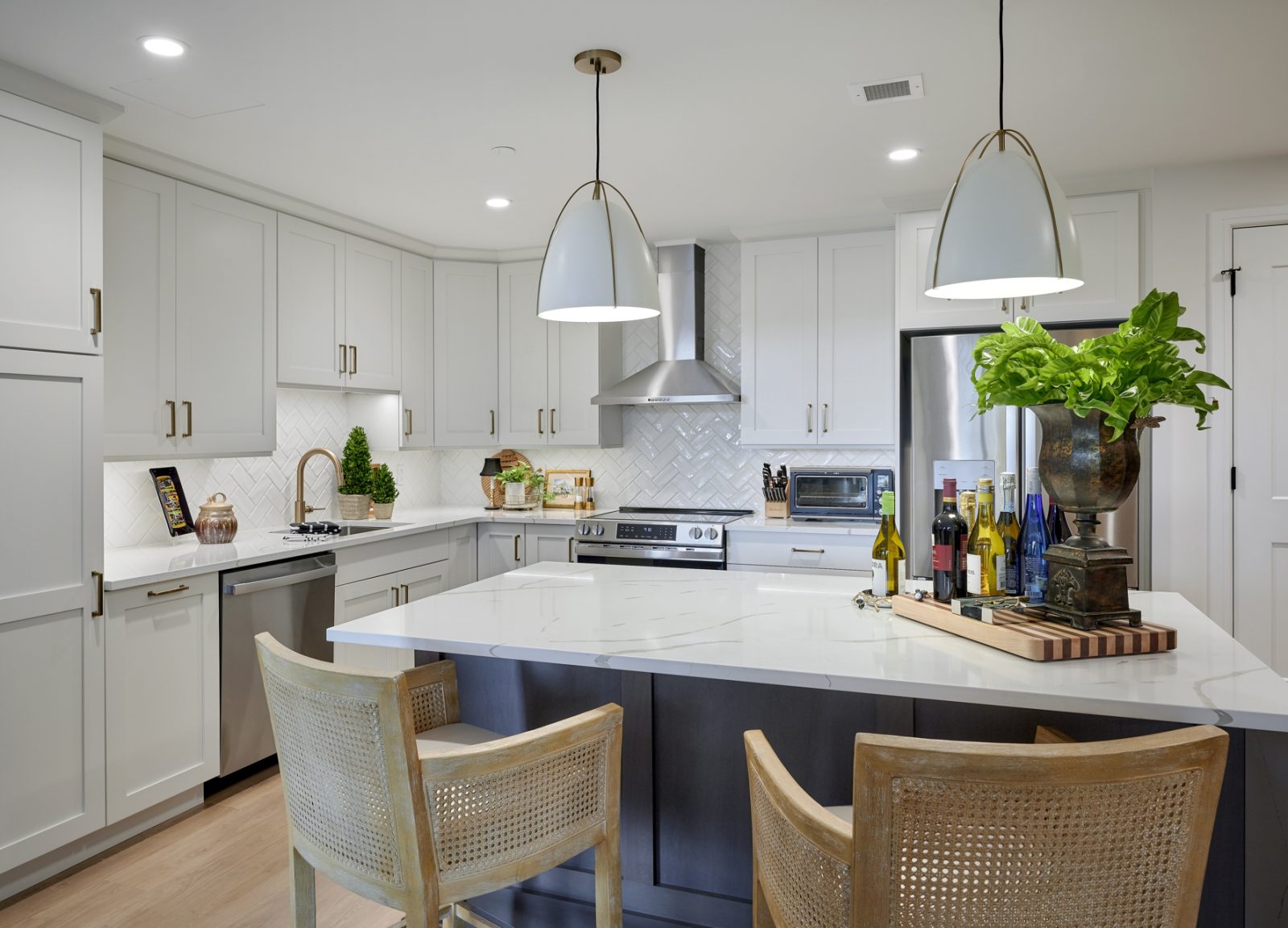
At The Highlands at Wyomissing, for example, standard luxury vinyl tile flooring options are used throughout the sales environment, while quartz countertop options are featured on central islands and hospitality counters. This approach allows prospects to experience materials as part of a cohesive environment, not just as isolated samples.
3. Curate, Don’t Overwhelm
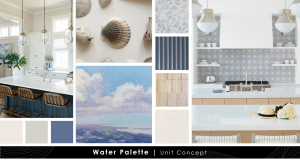
One of the most common challenges in residence selections is the daunting prospect of too many choices.
Rather than offering an open-ended menu of options, many communities find success in a curated approach, often centered around three distinct palettes. This provides variety and choice while maintaining clarity and efficiency.
These palettes typically include a range of tones, such as warm and cool options, and are often informed by the community’s brand as well as regional context.
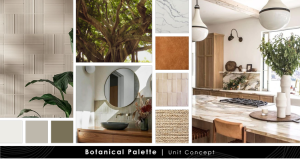
A coastal palette may feel appropriate in Florida, while more grounded, natural tones may resonate in other regions. Within each palette, core finishes are often standardized to streamline construction, while elements such as hardware and light fixtures provide additional opportunities for individual expression.
Limiting choices does not eliminate personalization. It just makes the process more approachable for both residents and project teams.
4. Align Residence Selections with Market Expectations
Every market and every product type brings different expectations.
In middle-market offerings, selection packages are often more limited, allowing communities to take advantage of economies of scale and maintain cost discipline. In higher-end products, there is typically greater flexibility, with more upgrade options and, in some cases, a higher level of customization.
Material expectations can also vary significantly. Some communities are comfortable with sheet vinyl or luxury vinyl tile as a standard while others establish higher-end finishes, such as engineered hardwood and porcelain tile flooring, quartz countertops, etc., as a baseline. Similarly, features such as electrified mirrors, wet bars, or radiant floor heating may be considered upgrades in one setting and customizations in another.
These decisions should align not only with budget, but with how the residences are positioned in the market.
5. Collaborate with your Interior Designer to Bring it all Together
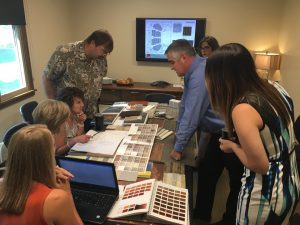 A well-structured selection program requires more than assembling finishes. Our interior designers coordinate with your marketing team, electrical and plumbing engineers and the construction manager.
We can help you translate market expectations into curated, buildable packages, balancing aesthetics with durability, availability, and constructability. The interior designer aligns your marketing team’s vision with the realities of procurement and construction, creating a process that works for both. In some cases, particularly with higher-end residences, design teams support more individualized customization requests to help those decisions integrate smoothly into the broader project.
A More Strategic Approach to Personalization
Personalization is no longer optional in independent living, but it does not need to create complexity.
With a clear strategy, curated options, and alignment across marketing, design, and construction teams, residence selection packages can become a strength rather than a challenge. The result is a smoother process, a stronger market position, and a better experience for future residents.
Frequently Asked Questions About Independent Living Residence Selections
How many selection options should an IL expansion offer?
Three curated palettes often provide the right balance—offering meaningful choice without overwhelming residents or complicating construction.
What’s the difference between selections and customization?
Selections are predefined options included within the standard offering or upgrade packages. Customization involves non-standard choices that require additional coordination and cost.
Do more options improve sales?
Not necessarily. Too many choices can slow decision-making and create a more difficult sales experience.
How do selections impact construction timelines?
Clearly defined selection packages streamline procurement and installation, helping reduce delays and cost variability.
Should selection packages vary by market?
Yes. Resident expectations, price points, and regional preferences all influence how selection packages should be structured.
When should selection packages be finalized in the project timeline?
Selection packages should be defined early in design to align with pricing, procurement, and sales efforts, while allowing limited flexibility for upgrades.