
Why This Conversation Matters Now
University Retirement Communities are no longer a niche concept. As today’s retirees seek active, intellectually engaging, and intergenerational environments, partnerships between senior living organizations and colleges or universities are gaining renewed momentum.
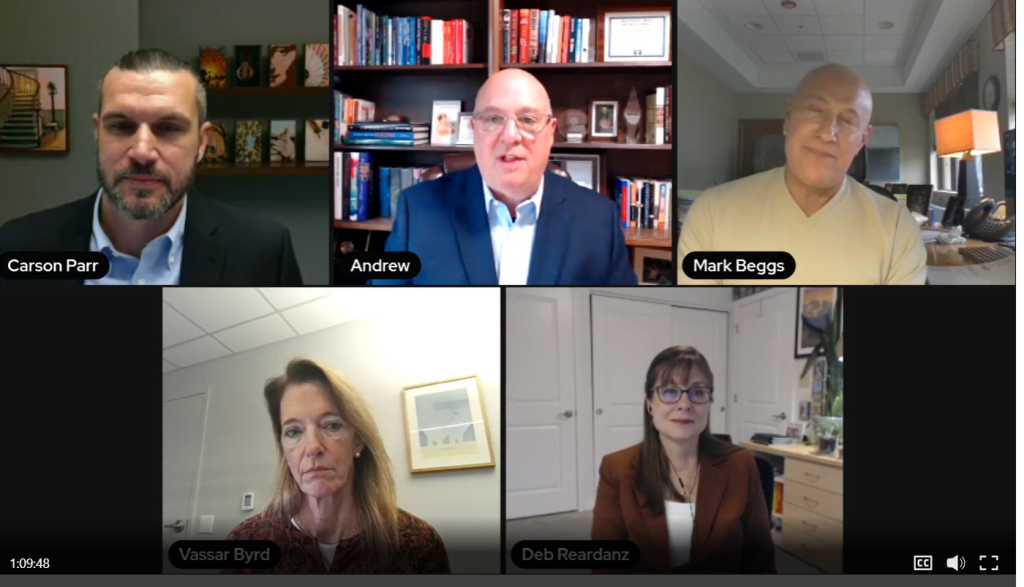
During RLPS’s recent webinar, Bridging Generations: Senior Living & Higher Education Partnerships, leaders from three Life Plan Communities and a national URC consultant shared candid insights into what makes these relationships successful and where organizations most often stumble.
Key Takeaways from Senior Living & Higher Education Leaders
-
URCs thrive on strong partnerships rather than university ownership
-
Proximity and transportation are critical to engagement
-
Programming builds momentum even before development is complete
-
Land leases can support financing when structured correctly
-
Workforce pipelines add long-term value
If you missed the live discussion, the full webinar recording is now available on demand via LinkedIn. Below is a summary of some of the panelists responses to key questions that university and senior living community leaders may be considered when evaluating whether a partnership could advance their mission and long-term strategy.
What is a University Retirement Community (URC)?
A University Retirement Community is a senior living community that has a formal relationship with a college or university, typically involving proximity to campus, structured programming, and shared academic or cultural engagement. Successful URCs combine access to lifelong learning and intergenerational experiences with a full continuum of care, allowing residents to age in place without sacrificing connection to the university environment.
“No two university retirement communities are alike. So much depends on the relationships, the people, the personalities, and the culture involved.” – Carson Parr
Who typically initiates a senior living–university partnership?
Both sides do. Historically, senior living organizations often initiated these conversations. More recently, universities are increasingly proactive as they recognize the strategic, financial, and mission-driven benefits of partnership. Panelists emphasized that early, direct communication—often starting with a simple phone call—is more important than who initiates first.
Does a university need to own or operate the senior living community?
No. Panelists strongly advised against university ownership due to unnecessary operational and legal risk. Instead, successful partnerships are typically structured through long-term land leases, shared services agreements, programming access, naming rights, or alumni benefits. The goal is alignment and mutual value—not control.
Do land leases complicate financing for senior living projects?
Land leases can work very well—if they are structured correctly. From a financing perspective, the lease term must extend beyond the bond term to provide lenders with long-term security. When universities and senior living sponsors understand this requirement early, land leases can be an effective tool for enabling development without requiring land sale or university ownership.
How close does a senior living community need to be to campus?
Proximity matters. Communities that are too far from campus often struggle to maintain meaningful connection and culture. While there is no single distance threshold, ease of access and transportation are critical—particularly since many residents and students do not drive. Some successful communities are compact and vertical; others are spread across larger sites. What matters most is convenient, reliable connection.
Is there a minimum size required for a university-connected community to be viable?
There is no universal minimum size. Viability depends on market demand, programming expectations, and operational sustainability. A traditional market feasibility study is still essential. Panelists noted that URCs often draw from much broader geographic markets than traditional senior living, as alumni and retirees are willing to relocate long distances to reconnect with a university community.
How do nonprofit and for-profit models differ in these partnerships?
Both models can be successful, but motivations differ. For-profit organizations are typically driven by return on capital and investor expectations, while nonprofit organizations balance financial sustainability with mission and resident quality of life. Understanding a potential partner’s priorities early is critical, as these differences influence timelines, governance, and decision-making.
“Continuum of care is more than twice as important as any other factor we’ve studied for retirees interested in university retirement communities.” – Andrew Carle
What types of programming create the most value for residents and universities?
High-value programming includes lifelong learning, shared classes, internships, research initiatives, cultural events, and mentorship opportunities. Panelists emphasized that programming should begin early—often before new development is complete—to build momentum, trust, and clarity around how the partnership functions day to day.
“We didn’t want to wait until the buildings were finished to build excitement. People need to feel the relationship before the bricks and mortar are in place.” – Mark Beggs
Do these partnerships help with workforce development?
Yes. Universities provide a natural pipeline for internships, practicums, and entry-level talent. Many senior living organizations reported that interns not only support operations but also bring insight into the expectations of the next generation of workers—helping organizations adapt proactively rather than reactively.
“Interns don’t just learn from us. They teach us about the expectations of the next generation of workers.” – Deb Reardanz
What are the biggest challenges in sustaining these partnerships long-term?
The most common challenges include leadership turnover at universities, unclear roles, and lack of dedicated staff to manage the relationship. Successful partnerships rely on clear written agreements, defined access rules, and a designated point person responsible for coordinating programming, research, and communication between organizations. Panelist also noted that it’s important to maintain multiple contact points so that turnover does not mean starting over with the relationship.
Why is now the right time to pursue senior living–higher education partnerships?
Today’s retirees are the most highly educated generation in history and are seeking active, intellectually stimulating, intergenerational environments. At the same time, universities are reassessing land use, revenue diversification, and community engagement. University-connected senior living responds directly to both trends—and has demonstrated strong demand and accelerated lease-up when executed thoughtfully.
“The most successful organizations in the next decade will be those that truly embrace partnership thinking.” – Vassar Byrd
Explore the full webinar recording and additional insights on senior living and higher education partnerships.
About the Author
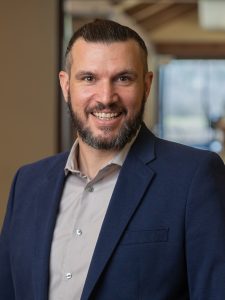
Carson has responsibility for coordinating multi-disciplinary teams and guiding projects through the planning and design phases into construction and occupancy. He works closely with clients to translate design objectives into innovative solutions within the constraints of budgets, schedules and accessibility guidelines. Carson is an NCARB Registered Architect, a LEED Accredited Professional and a WELL Accredited Professional. He is a member of the American Institute of Architects and past president of the AIA Central PA Chapter. Carson also participates in the Penn State University architectural student mentoring program. In 2021 he was a recipient of the Penn State Alumni Association’s Alumni...
Learn More About Carson