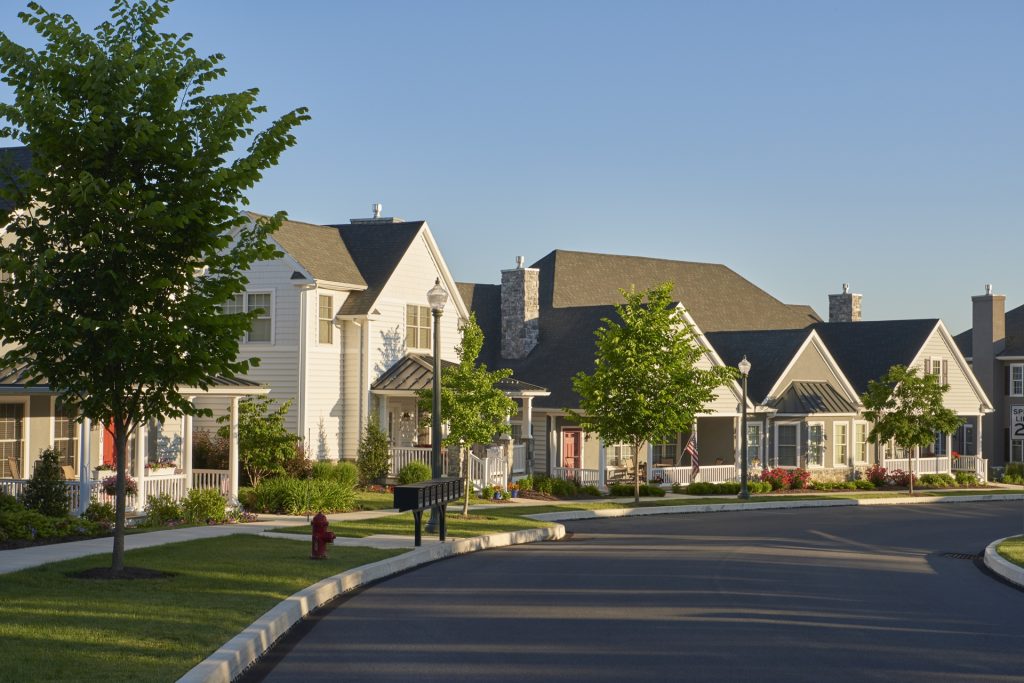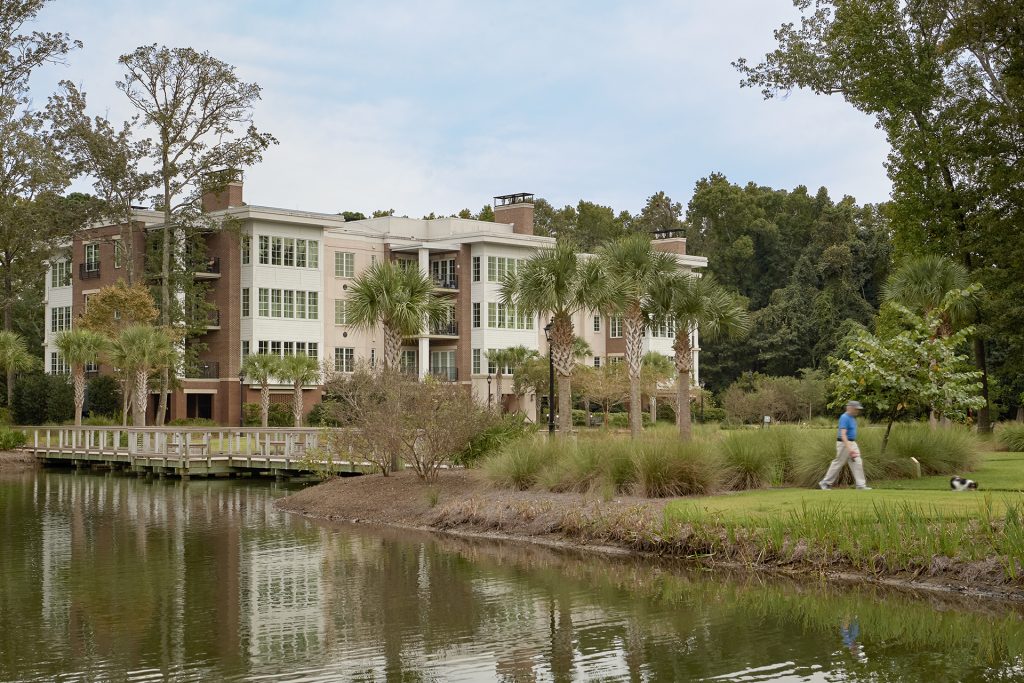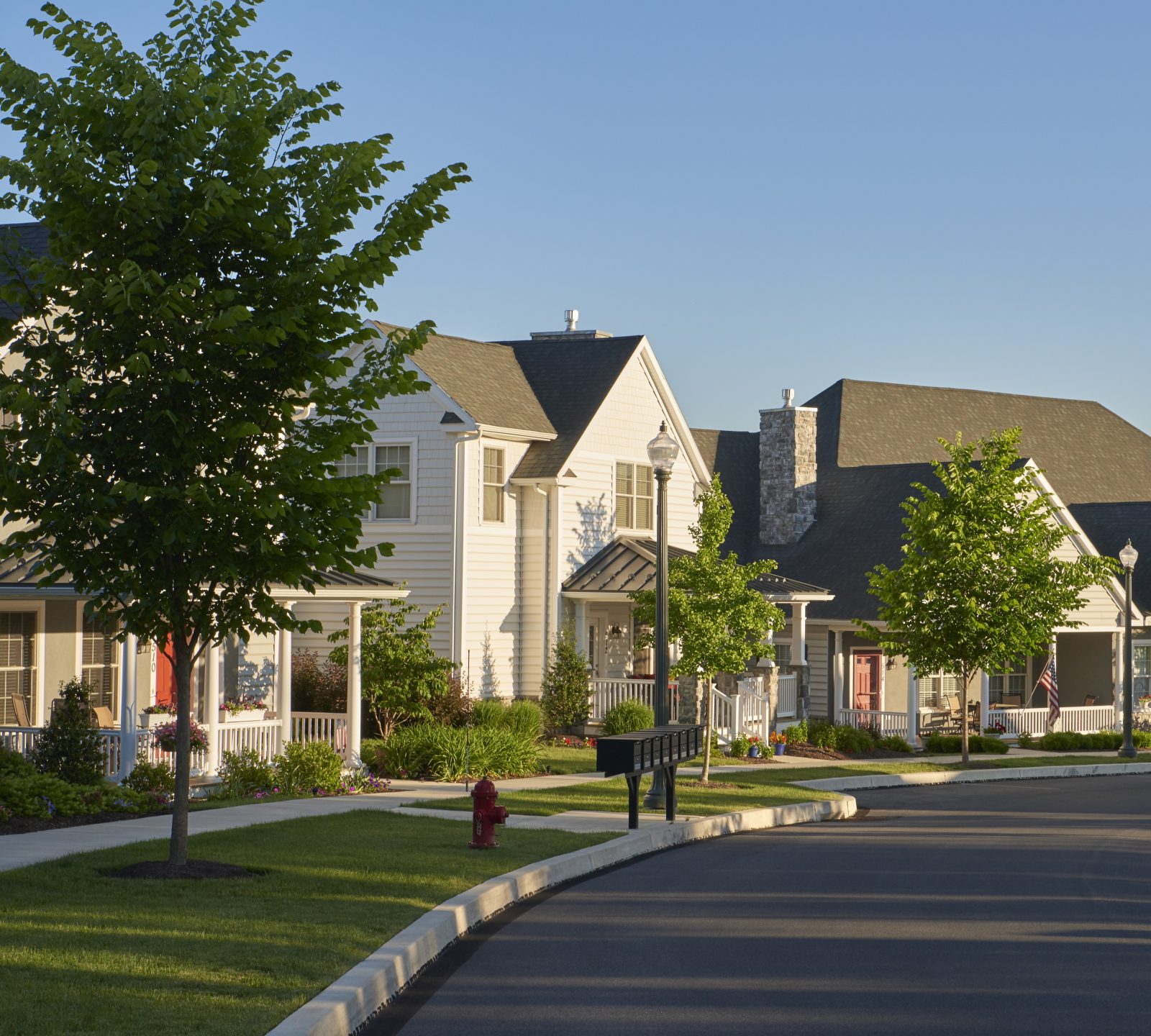
Senior living satellite communities are popping up around the country in many shapes and forms.
What is a satellite senior living community?
A satellite community is a residential development created by an existing senior living provider away from, or adjacent to, its primary campus. It can allow a Life Plan Community to add independent living, reach a new market, offer a different lifestyle or price point, or establish partnerships without expanding its existing campus.
Life Plan Community (LPC) sponsors and other senior services providers are increasingly turning to this expansion option when current campuses are built out, partnership opportunities emerge or new markets are explored. As senior living providers seek creative opportunities to maintain vitality and market presence, satellite campuses can offer distinct advantages for attracting a new generation of older adults.
What are the Benefits
of a Satellite Community?
Satellite communities can help senior living providers:
- Create new opportunities for growth
- Expand into new geographic or demographic markets
- Introduce a different housing or lifestyle product
- Develop university or other community partnerships
- Leverage existing resources and services
- Test new approaches to wellness, services and aging
1. Why Consider a Satellite Campus for Senior Living Growth?
A significant impetus for the uptick in satellite campuses is the opportunity to expand beyond existing campus “walls.” As smaller, single site providers struggle to survive in an era of increasing competition, operating cost increases and diminishing Medicare reimbursements, independent living growth is becoming an imperative. However, it is not always possible or desirable to increase density on an existing LPC campus.
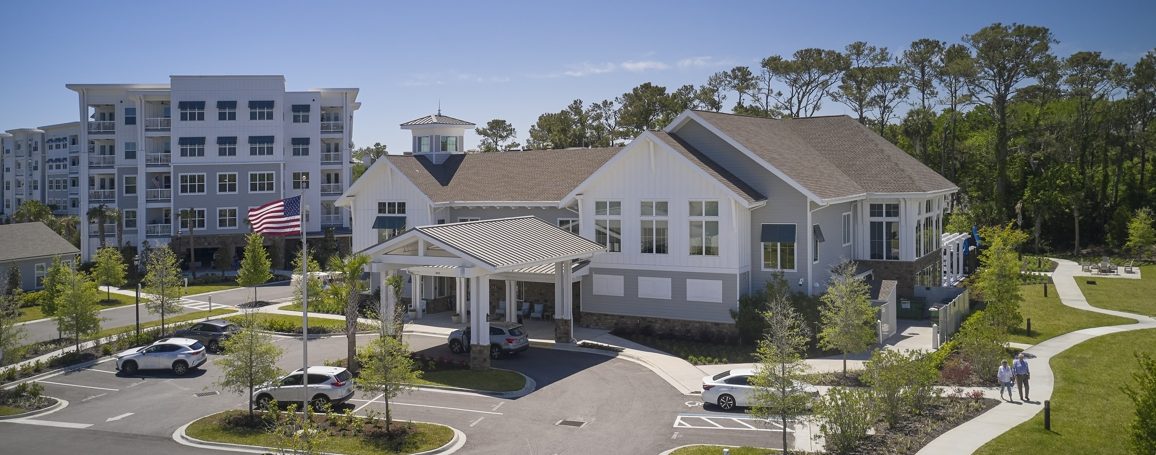 Many communities, like Vicar’s Landing in Ponte Vedra Beach, Florida, are at or near their development capacity. The Life Plan Community was developed in 1983 on a 24.3-acre site within Sawgrass, a private resort and residential community that is also home to the flagship Tournament Players Club (TPC) for the PGA Tour. The main campus has flourished with a robust wait list, but the site has been built out over the years. A new satellite property, less than a mile away, fulfills the need for future growth capacity.
The demand for Vicar’s Landing has exceeded our capacity for years since we had built out the existing property and had height restrictions that prevented us from building up. The ability to purchase a large, nearby tract of land to build the Oak Bridge satellite campus allows us to address the demand,” says Bruce Jones, Vicar’s Landing CEO.
Other communities, particularly those in tightly developed areas, face an onerous entitlement process making on-campus expansion difficult or even impossible. While renovations can help make older housing appealing to current consumers, this strategy works best in concert with some level of expansion — especially since housing updates frequently involve combining smaller units which ultimately results in a reduced census rather than growth.
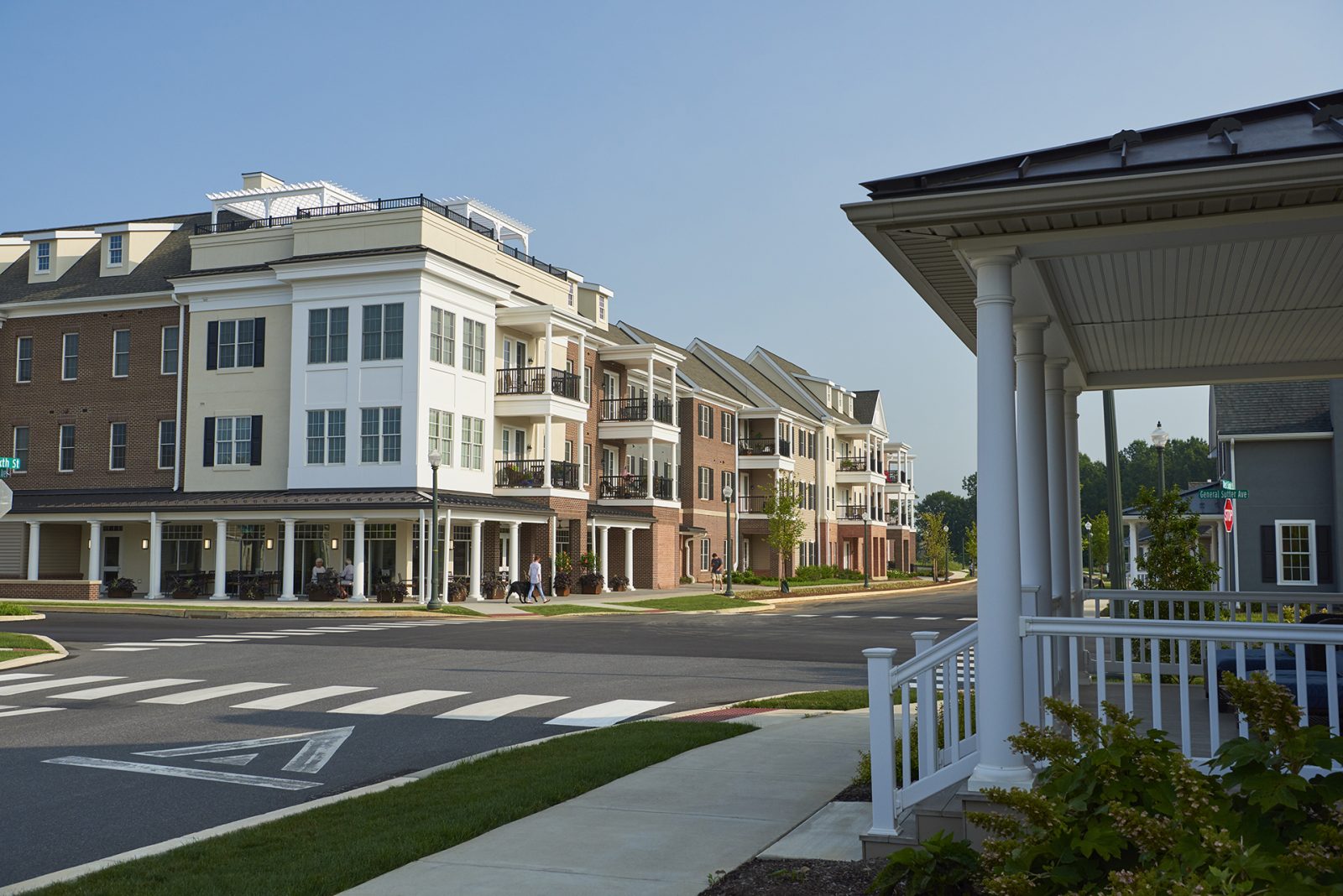
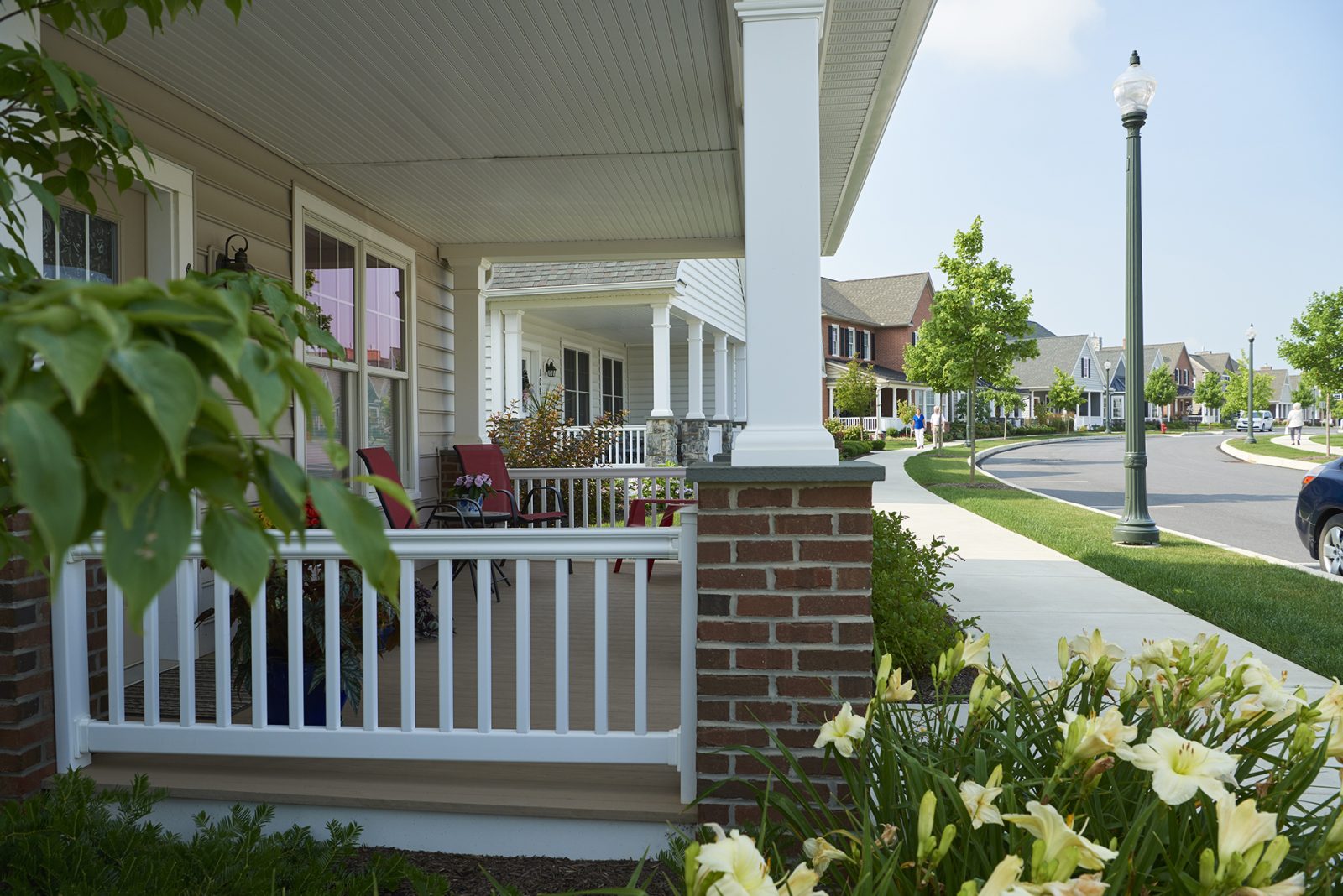
Moravian Manor Communities has accomplished critical growth through two satellite expansions. The first “bite sized” expansion encompassed 12 “Townhomes on Hendricks Place” on a 3.5 acre infill site across the street from the original campus. This was followed by development of a nearby 72-acre property into the Warwick Woodlands campus. The first phase included ten freestanding two-story townhomes, 70 duplex carriage homes and 56 apartments, as well as a restaurant that is open to the public. Later phases have added more carriage homes and subsidized apartment homes.
Moravian Manor’s continuous transformation over time of the Warwick Woodlands campus has been spectacular. Satellite campus growth tends to attract strong interest from investors,” says Amy Castleberry, Managing Director for Ziegler. “Bank lenders and institutional investors view these smaller scale projects as less risky than the development of a full-scale campus all at once. In addition, the reduction or elimination of amenity and healthcare space provides significant construction cost savings and a more affordable project.”
A satellite location allows for growth without compromising scale or overcrowding a campus. Focus groups for LPCs throughout the country have highlighted that both current and prospective residents value open greenspaces on campus. These stakeholders frequently have concerns about community growth negatively impacting their living experiences. Construction activity on a satellite location also avoids disrupting daily activities for current residents and staff members.
2. How Can a Satellite Community Expand Market Reach?
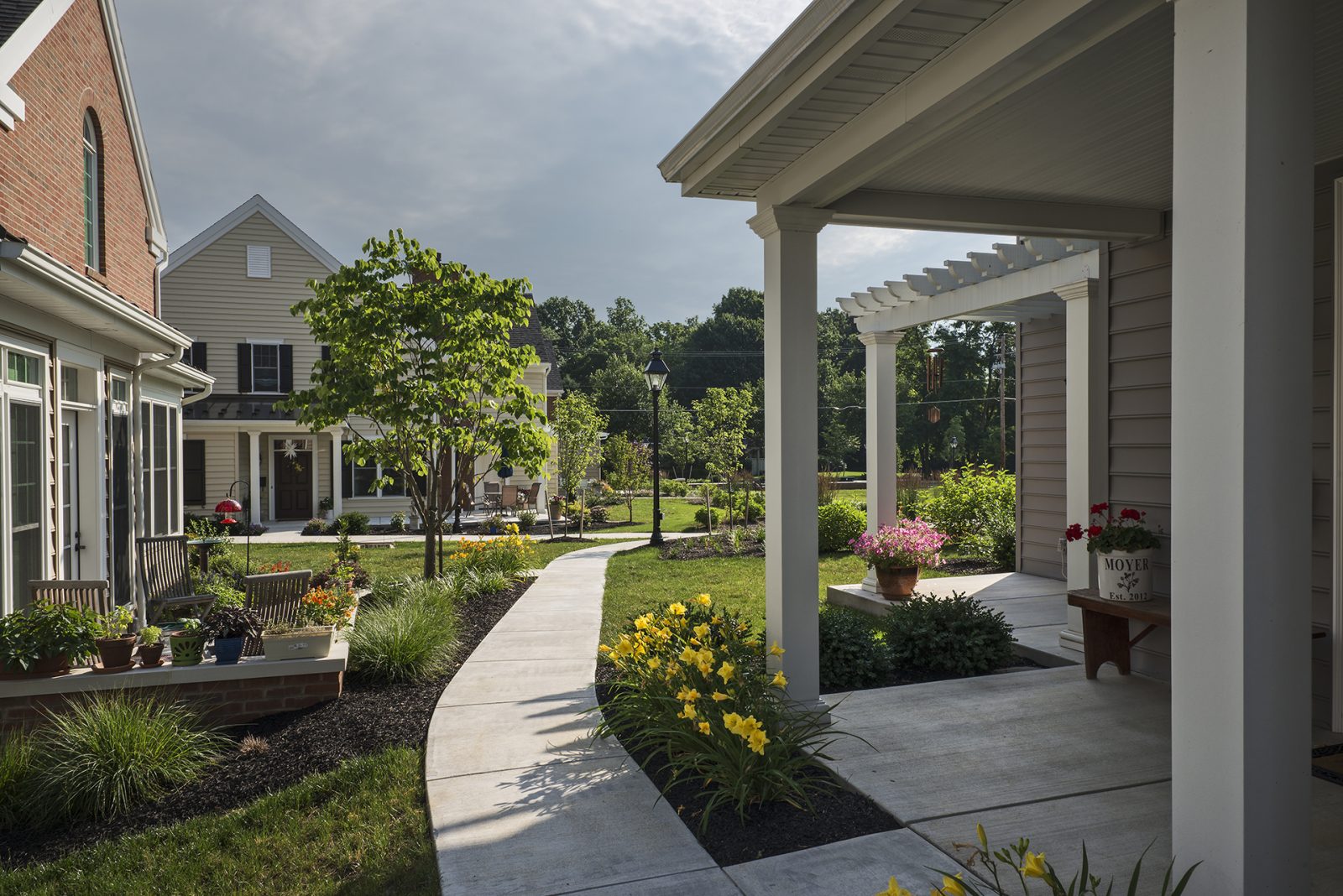
A satellite campus can help a senior living provider reach a different geography, age group, income level or lifestyle segment without fundamentally changing its existing campus. It provides a means to reach a wider base of potential residents, and often an untapped or underserved market. This could be a younger cohort – with many satellites focused on 55+ active adults – or a different income level, culture or special interest.
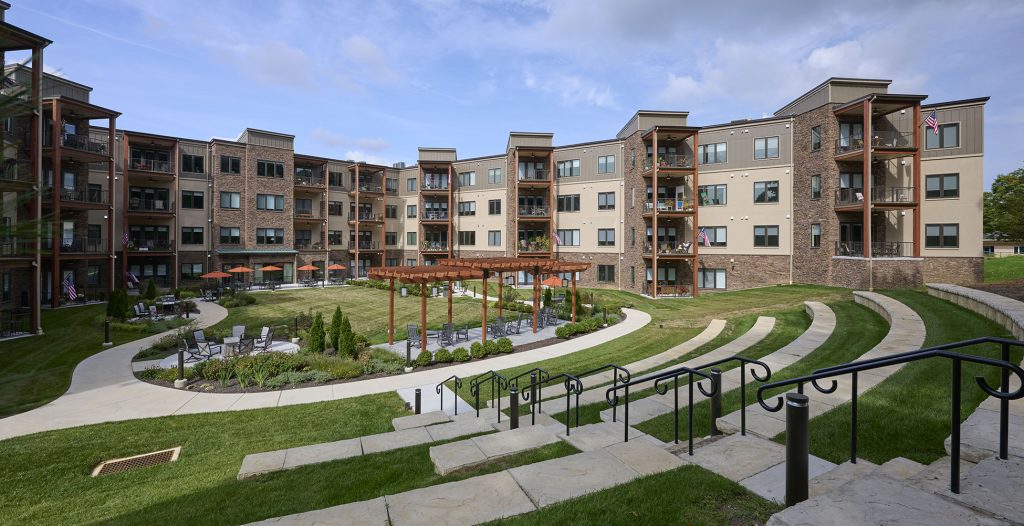
Chestnut Ridge at Rodale has enabled Phoebe Ministries to expand its geographic reach, identifying an underserved market opportunity for a senior living satellite community. Following the sale of the Rodale publishing company, the 38-acre office headquarters campus was vacated and available for adaptive reuse.
This unique property led to the vision for Chestnut Ridge at Rodale, a wellness-focused residential community for ages 60+ that embraces the Rodale values of melding fitness, organic dining, and wellness.
Adding a satellite campus can help a Life Plan Community extend reach into the market or attract a different demographic (i.e. middle-market),” says Lynn Daly, Executive Vice President for H.J. Sims. “Our providers are often able to add these satellite independent living campuses without adding significant new overhead. Being able to spread the community’s overhead over more revenue-producing units increases the financial feasibility of the satellite campus, even if/when targeting a more moderate price-point. It’s a great way to expand your mission and impact more lives.”
Satellite communities offer an alternative to living directly on a retirement campus. This enables community sponsors to extend their reach to those who may not be ready to consider a full-service Life Plan Community representing the entire continuum of care. A satellite location can also avoid the potential for creating an “us versus them” dynamic that can result when a new neighborhood is added to an older campus.
We are seeing more senior services providers considering workforce housing,” shares Eric Endres, Partner at RLPS Architects. “A satellite campus can be a good fit for incorporating intergenerational housing to address this need.”
The Oaks at Cypress Cove is a 65+ satellite luxury home expansion. The 12-acre gated campus includes 24 elevated residences, 24 villas and a clubhouse. All of the residences feature smart home technology and upscale finishes. Though it is part of the Cypress Cove community, the new site provides an exclusive brand that could not be accomplished as part of the main campus.
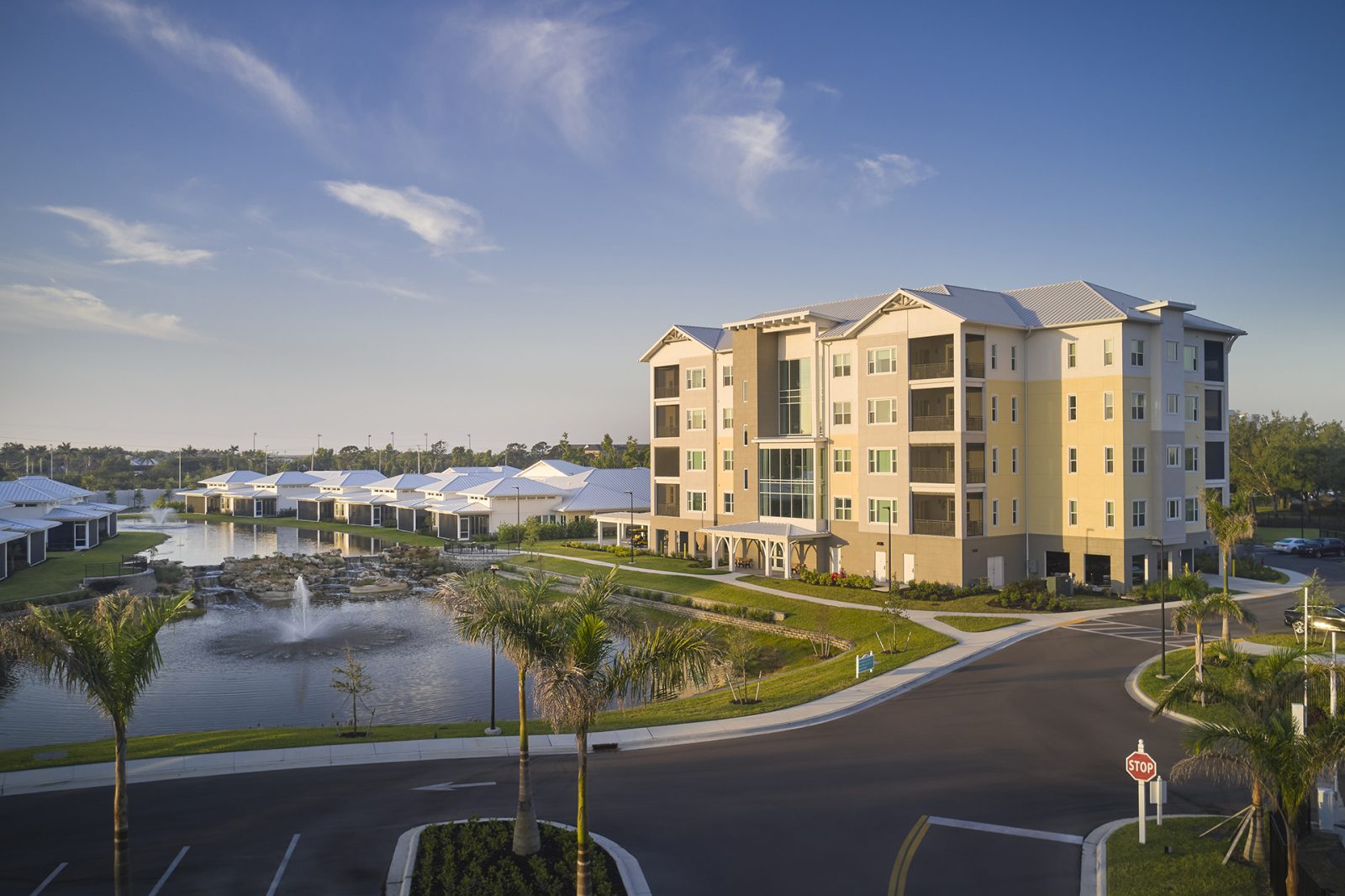
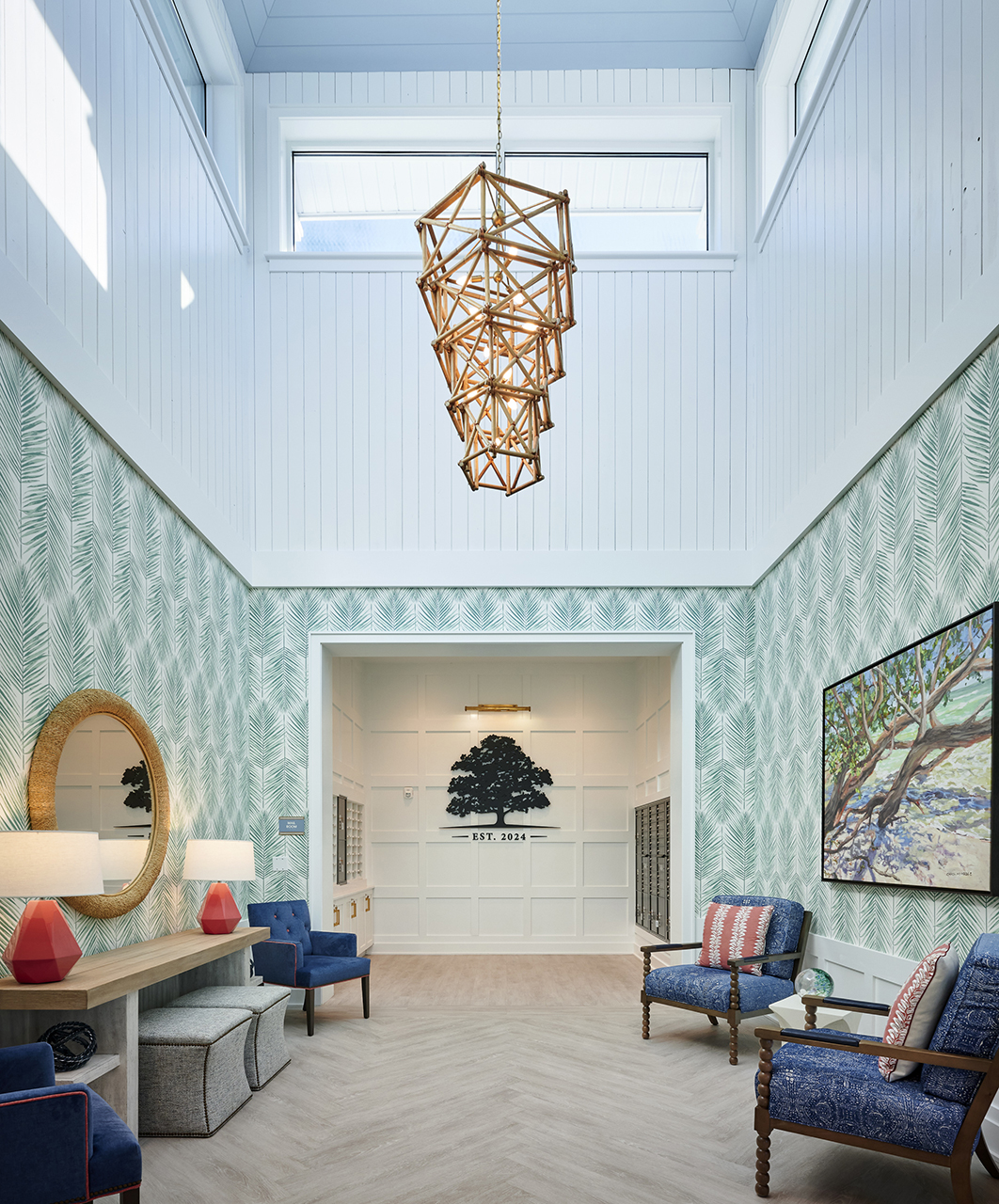
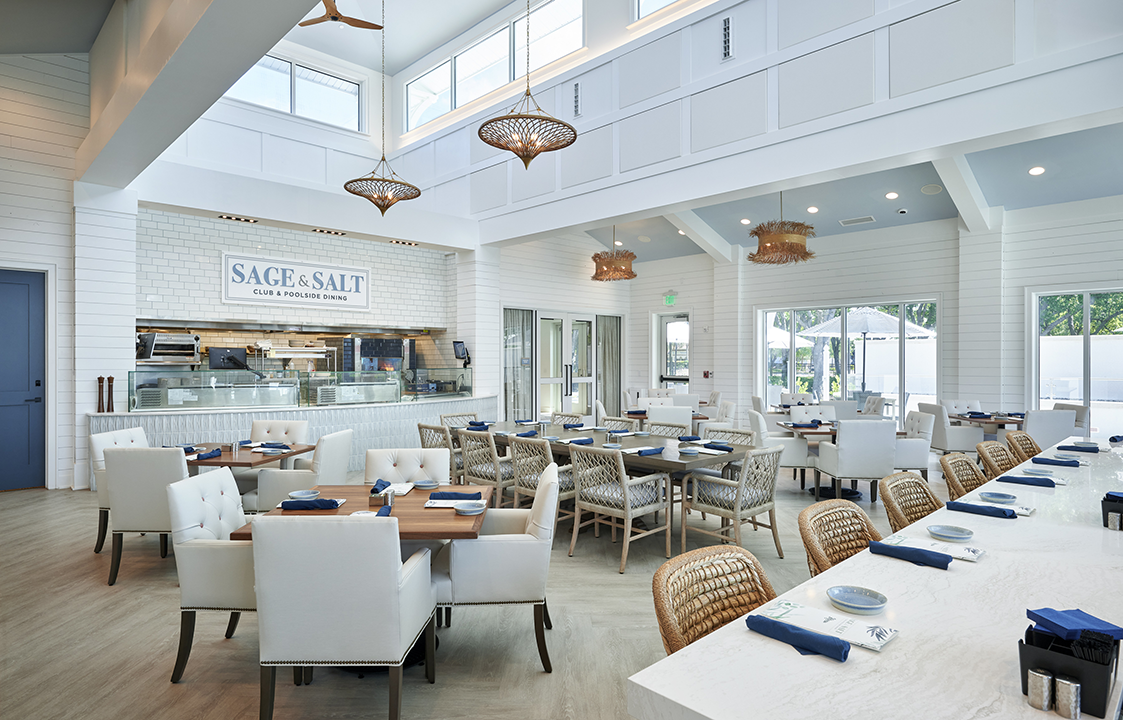
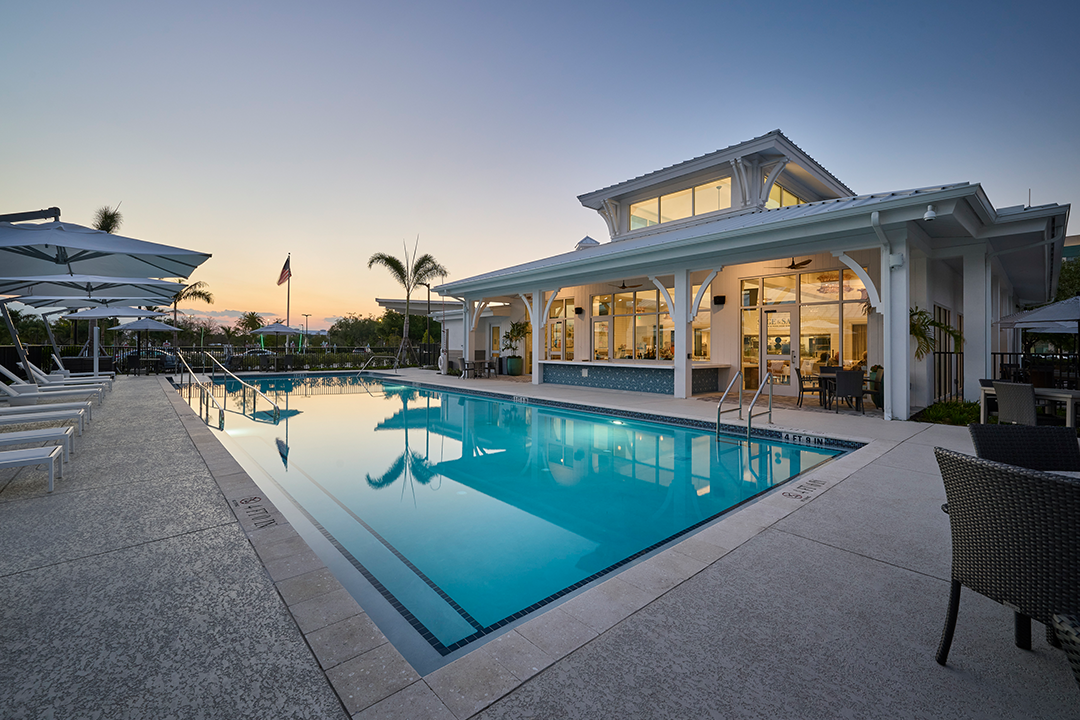
Satellites are a great tool for ‘microbranding’,” shares Margaret Yu, AIA, RLPS Associate Partner. “You can create a new product with its own brand without diluting or conflicting with your existing persona in the marketplace.”
A satellite community also provides an opportunity for implementing sustainable design initiatives on a smaller scale. Passive design, WELL Building, LEED or other innovative strategies could be explored as a means of mission alignment. This could also serve as a market differentiator, appealing to stewardship-minded consumers.
3. Can a Satellite Community Provide a More Urban Senior Living Option?
A satellite community can allow a Life Plan Community to offer a more connected, walkable lifestyle without relocating or fundamentally changing its existing campus. According to an AARP poll, older adults want to live in a community with grocery stores, health care providers, safe parks, trails and streets, and opportunities for community engagement. The idea that seniors want to live where there are choices for dining, entertainment and shopping nearby is further reinforced, with Yahoo reporting that walkability has quietly become one of the most searched-for qualities in retirement research as of August 2026.
Many Life Plan Communities are located in a suburban or rural setting with no walkable connection to off-campus amenities, services or even other types of non-senior housing. A satellite campus allows these community sponsors to offer an urban alternative to a stand-alone, isolated setting. And urban does not have to mean a major city — in fact many satellites are springing up in conjunction with the revitalization of smaller towns and neighborhoods.
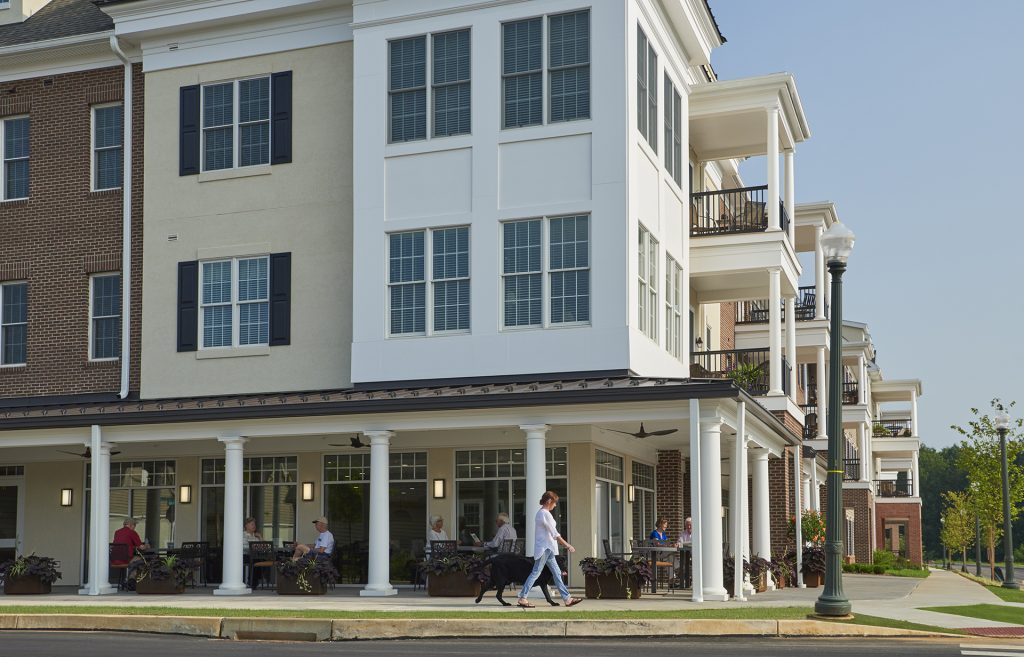 Moravian Manor Communities’ Warwick Woodlands campus serves as a natural extension and connection between downtown streets and sidewalks. The community includes limited on-site amenities with the intention that its active adult residents will avail themselves of the many downtown resources. Services like dining and housecleaning are a la carte so residents can choose what fits their lifestyle.
Developing an urban satellite community provides the opportunity to attract new residents who want to experience a connected, pedestrian-friendly lifestyle, taking advantage of the sense of history, place and diversity a downtown has to offer. This may include a Life Plan Community association, but can also function as a separate entity.
Another opportunity we are starting to see for satellite campuses is the redevelopment of former religious order sites or former parochial schools in cities and inner ring suburbs,” says Castleberry.
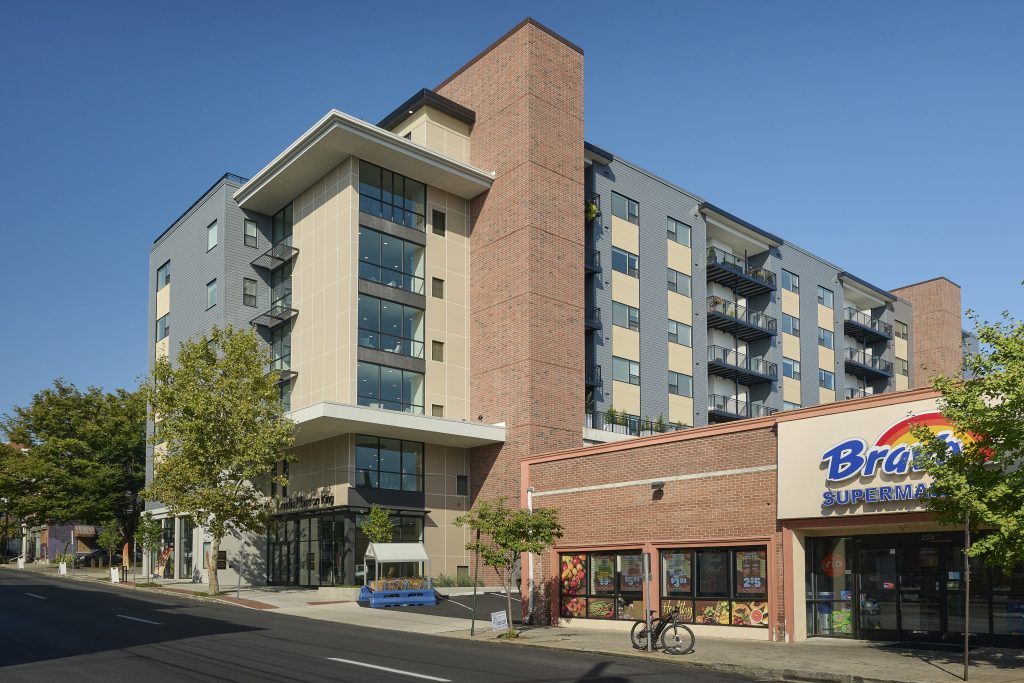 Landis Place on King in Lancaster, Pennsylvania is 55+ housing designed to serve older adults at a moderate or lower income level. This rental housing option does not have advance fees and avoids the higher asset and income level requirements associated with a traditional Life Plan Community. Landis Place on King also responds to consumer preferences for a diverse living experience that provides authentic inclusion in a thriving downtown community.
Our vision was to make Landis Place on King be an integral part of the West King Street neighborhood and complement the residences and businesses that already exist and make the neighborhood so special,” said Evon Bergey, Vice President of Operations for Landis Communities.
Placing a senior living satellite community in an urban setting capitalizes on an existing network of services and amenities. The existing infrastructure requires no financial investment by senior services providers, although there is the potential to form mutually beneficial partnership arrangements.
Simply locating the satellite within a vibrant downtown creates an attractive living option with an incredible diversity of dining and service options well beyond a typical Life Plan Community budget.
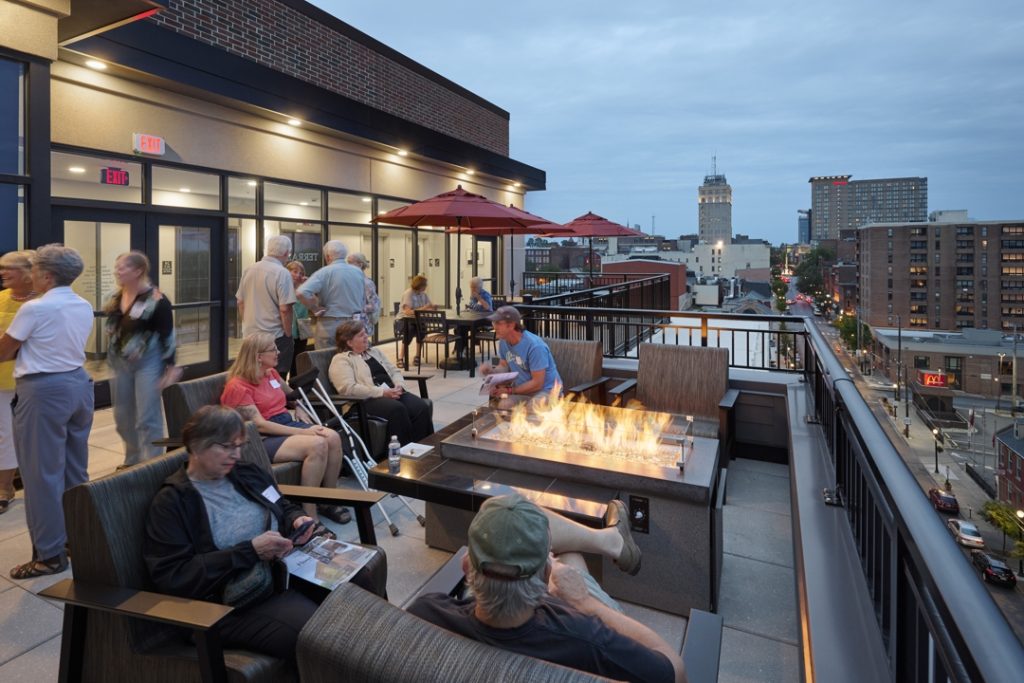
Innovative providers will leverage the thriving economy adjacent to an urban satellite location to populate tenant space and bolster revenue without incurring operational costs,” states Godfrey. “It’s the best of both worlds.”
4. Can a Satellite Campus be a University Retirement Community (URC)?
A satellite campus can provide a natural model for a University Retirement Community (URC) or other partnership arrangement, allowing a senior living provider and higher education institution or other entity to create a mutually beneficial partnership while leveraging the strengths and resources of both organizations.
There has been a good deal of buzz around University Retirement Communities (URCs). In a May 2026 article, Senior Housing News confirmed that despite some development challenges, demand for these lifelong-learning focused communities continues to grow as both higher education and senior living providers seek creative strategies for growth.
Andrew Carle, former Director of George Mason University’s Program in Seniors Housing Administration, is credited with coming up with the term, University Retirement Communities,™ along with specific criteria to qualify as a URC. However, there are a number of business and operational variations that have been mutually beneficial for colleges and senior living providers. Each partnership is somewhat unique and terms are often used interchangeably.
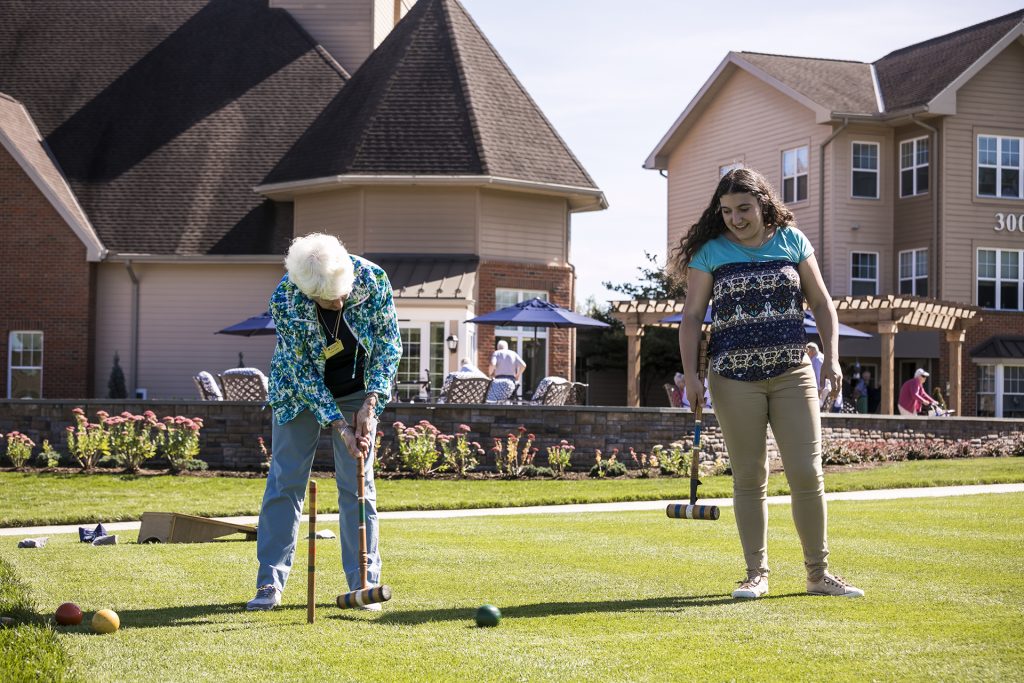
For senior living providers, a URC provides a differentiator in an increasingly competitive marketplace. It can provide instant branding and name recognition, as well as staffing resources in the form of student internships or part-time employment. There are the obvious benefits of authentic lifelong learning experiences and intergenerational interactions. However, URCs can also offer more robust athletic, recreational and performing arts amenities than a typical retirement community campus.
A market study is imperative not only for determining if some form of URC is viable, but also, the size and price point your local market can support, as well as the appropriate levels of care to be included” Beverly Asper, Director at Baker Tilly US, shares.
Anticipated alumni impact should also be considered, along with competition and other market factors.
A market study can help determine how likely alumni are to move into this type of community,” Asper points out. “Current URCs report anywhere from 50% to less than 10% of their resident population being alumni or former faculty and staff. This variability can be a reflection of various factors including geographical location, alumni engagement trends and strength of ties between the two entities.”
Universities and senior living providers have much to offer one another. There is no standard LPC / URC formula for success beyond the basic themes of lifelong learning and intergenerational connections. This means that each institution and senior living provider must determine the best fit for their specific circumstances. It all starts with a conversation to envision the potential for what can be achieved.
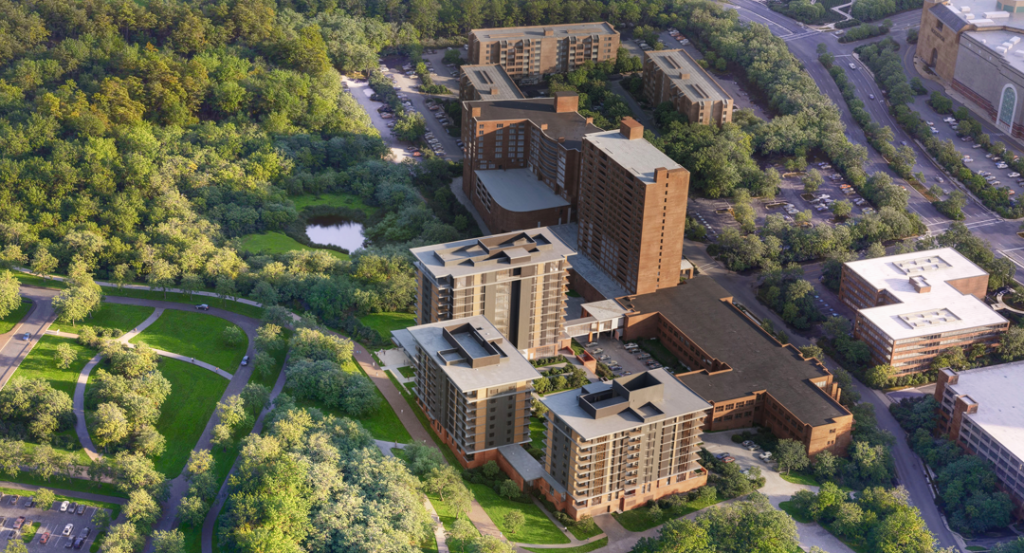
Edenwald Senior Living and Goucher College are jointly developing Inspire, a University Retirement Community (URC) located on three acres within Goucher’s campus. The expansion introduces three interconnected residential towers above structured parking. More than 25,000 square feet of common amenities including classrooms, a café, yoga and wellness spaces, a theater, and a sky-lounge event venue, support daily interaction across generations.
The vision is to take advantage of shared opportunities for academic, social and cultural programming,” according to Mark Beggs, Edenwald President and CEO. “The URC concept integrates lifelong learning with attractive residences, services and amenities tailored for active seniors.”
5. Can a Senior Living Satellite Community Include Assisted Living or Other Care Services?
While most satellite expansions focus on independent living, often targeting a younger group than those who would typically consider a Life Plan Community, a satellite can also include or provide access to care services. Assisted living or other care residences can be included as part of the satellite campus, in-home services may be available, or residents may have the option to transition to the main campus if they require a higher level of care.
At Landis Place on King, an on-site care navigator will connect moderate income residents to services in the broader community. Other sponsors have included higher care options. The decision is influenced by various factors such as distance from the main campus, desire to introduce a new care model or simply mission-alignment.
If those living at a satellite campus will have access to the full continuum of care, then capacity to either provide that care through the existing campus infrastructure or by including a care component in the satellite expansion must be part of the equation,” says Yu.
Vicar’s Landing’s Oak Bridge Campus initially included 109 independent living units consisting of 43 cottages and three apartment buildings containing 99 flats. Assisted living and memory care residences followed in a later phase to serve this increased census.
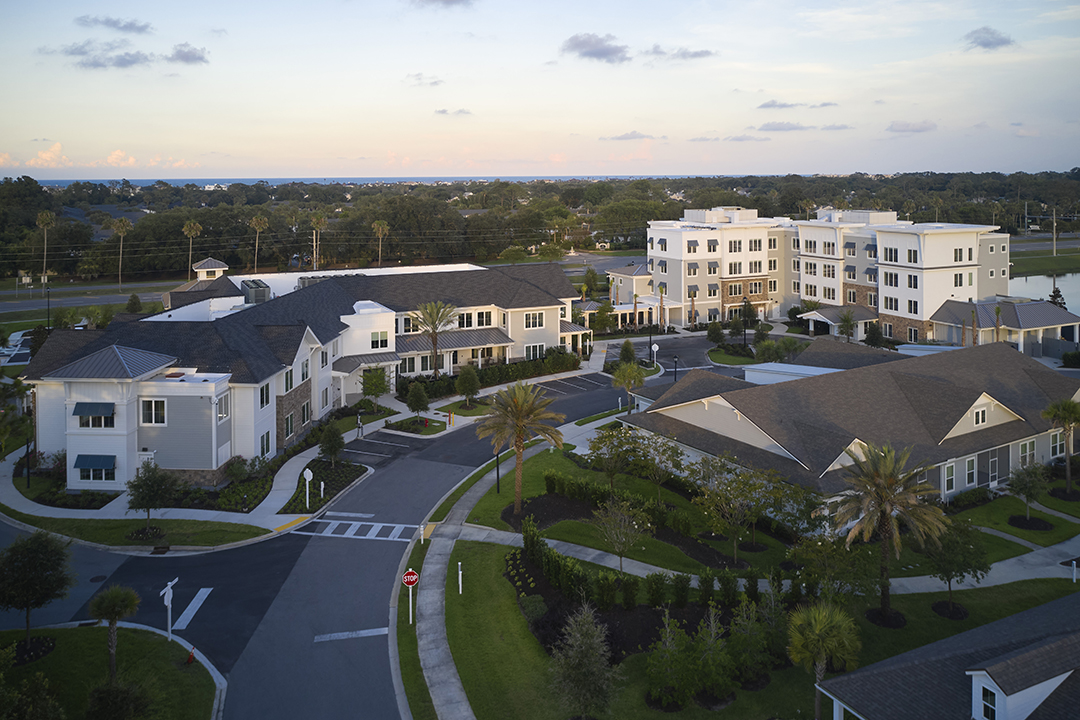
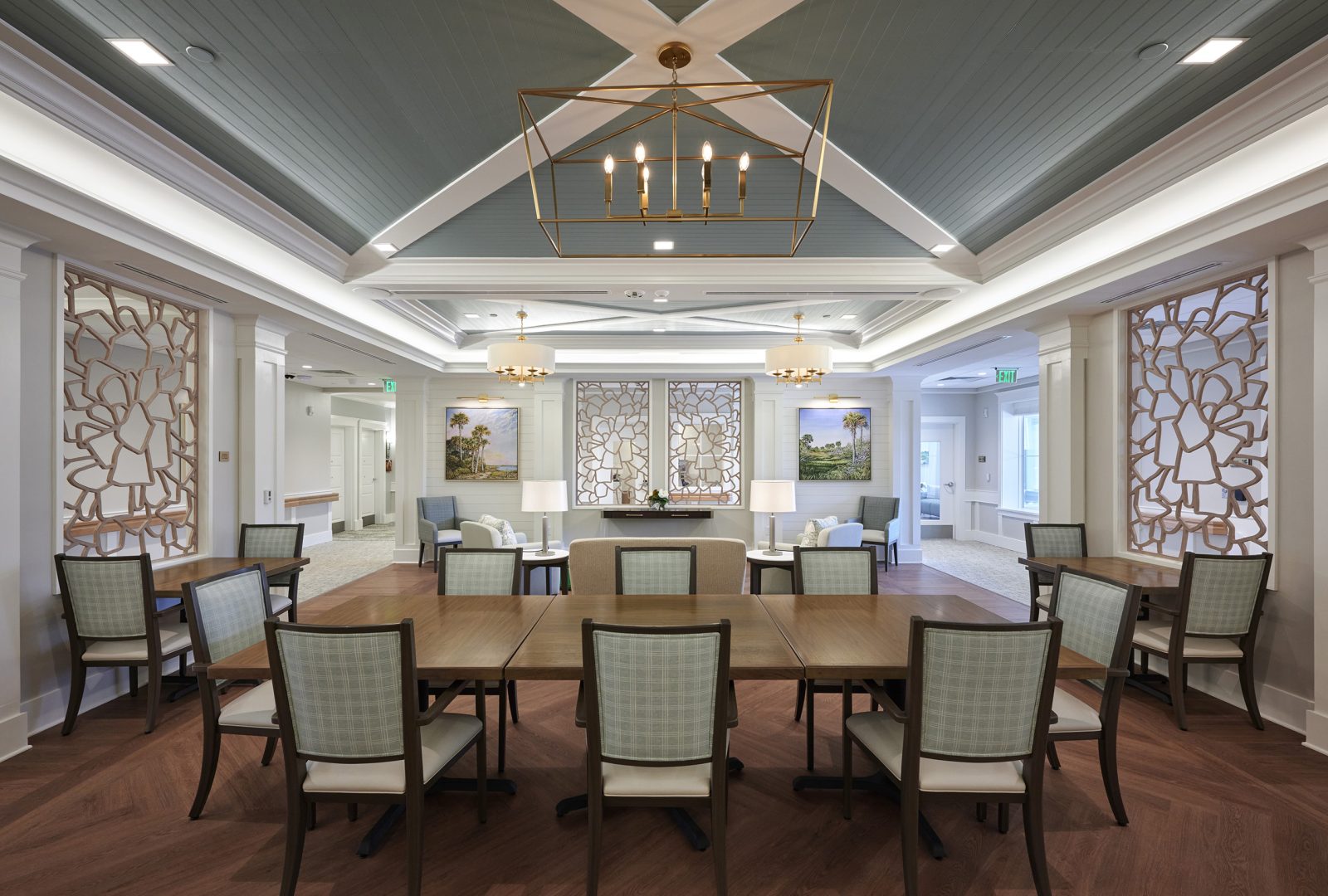
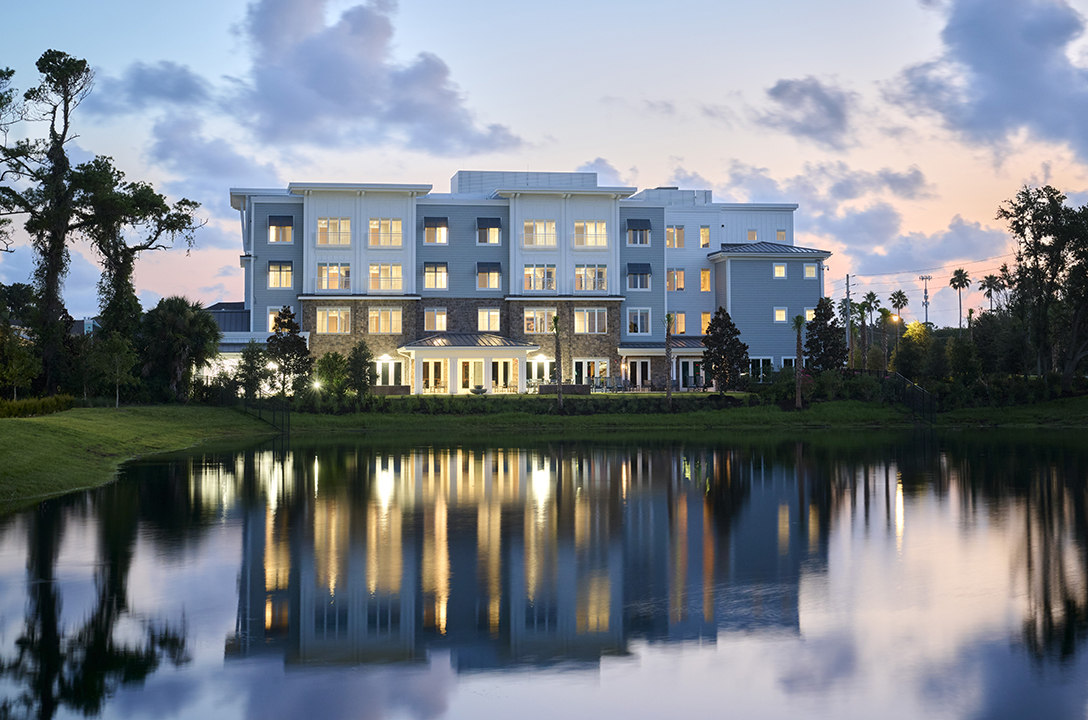
Satellite communities can function independently as stand-alone communities. There can also be varying levels of connections to daily life on the main campus. Depending on proximity, this can require frequent transportation services between the campuses.
For Vicar’s Landing, the focus for the Oak Bridge satellite campus was on complementary amenities, rather than duplicating services and spaces.
With the proximity of the two campuses, we built the Oak Bridge campus to complement, rather than duplicate, amenities. Residents from the Sawgrass campus can go over to the Oak Bridge campus for dinner, for events, and vice versa,” Jones said.
A satellite campus can be the means for a community sponsor to adjust overall census for long-term financial stability. Communities that are struggling with a low ratio of independent living units to skilled care beds often turn first to downsizing skilled care, which may leave underutilized or empty buildings on campus. Instead, others have turned to a satellite community as a means of rightsizing higher levels of care.
6. How Can a Satellite Campus Support the Shift from a Care Model to a Vitality Model
A satellite campus can provide an opportunity to introduce a new model focused on wellness, social connection, purpose and personal agency from the outset, rather than adapting an established campus and culture over time. The satellite can also serve as a proving ground for new approaches that may ultimately influence programs, services and experiences across the broader organization.
Most LPCs have embraced the need to transition from a traditional “Care” model to a future-ready “Vitality” model.
The senior living industry has been shifting from the continuum of care model to more of a resident directed care model with a focus on wellness and preventive health,” states John Franklin, Principal for Pearl Creek Advisors, LLC. “Like many other industries, the pandemic rapidly accelerated senior living services providers into the future. Organizations now recognize the imperative of embracing a vitality model that emphasizes social connection, healthcare navigation, purpose and agency. “
Implementing that shift within a longstanding Life Plan Community can be challenging. Current residents may be concerned about changes to familiar services or access to care, while staff members must balance evolving expectations with existing responsibilities. These concerns can make leadership understandably cautious about introducing significant changes to an established campus and culture.
A satellite community offers a different path. Because the new campus is being developed from the ground up, providers can intentionally shape its physical environment, programs, services and culture around a vitality-based model.
Having spoken on this topic in front of many boards and industry conferences, I hear that many existing organizations are finding it very difficult to make the culture shift in adopting this new value proposition,” Franklin shares. “Building a satellite community without the headwinds of an existing culture that resists change creates an excellent path by which organizations can adopt and execute on the new value proposition.”
Once established, the satellite can demonstrate how this new approach works in practice. Successful programs, services and experiences can provide tangible examples for residents, staff and leadership at the existing campus and potentially inform future changes across the organization.
Important Considerations for a
Senior Living Satellite Community
- Does the site offer sufficient density to offset development costs?
- What services are available to this site – is it easy walking distance to a downtown or other location for services and supplies?
- How will staffing be handled for the satellite? Is it close enough for shared resources?
- Will residents from the satellite access the main campus and/or vice versa?
- Will an on-site care component be needed or can care be provided by new or existing home health and/or home care service lines?
- Are there existing amenities or site infrastructure that you can leverage?
(e.g. buildings that can be converted to senior living uses or shared uses with greater community, natural features that should be emphasized, etc.) - Does the satellite offer opportunities to partner with other entities or proximity to services planned or already in place?
(e.g. a downtown, college campus or mixed use development that has restaurants, a clinic, beauty salon etc.) - Does the location/product offering complement what you have now?
- Will the satellite campus be an extension of parent brand, or will it have a new brand identity? How will marketing efforts support and/or be impacted by this?
Is a Satellite Right for You?
A satellite community may be worth considering when an existing campus has limited growth capacity, a provider wants to reach a new market or lifestyle segment, or an opportunity exists to leverage another location, partnership or network of services. Like any development today, creation of a satellite community has its challenges. Escalating land and construction costs, site scarcity and lengthy entitlement processes are just a few of the potential obstacles.
There can also be concerns about the potential “risk” associated with a new development and the resulting impact on an existing community.
At HJ Sims, we’ve financed satellite campuses as part of the Obligated Group, leveraging the strength of your main campus. More often than not, our clients prefer to finance the new campus as a stand-alone, separate entity with no-recourse to the parent,” shared Daly. “That way, in the unforeseen situation that the satellite campus fails, it does not have a detrimental impact on the ‘mother-ship’.”
While urban areas represent an opportunity to reach more people, competition is likely to be higher for those sites. American Seniors Housing Association President David Schless predicted in a 2022 McKnights Senior Living Article that one-fourth of new senior living development over the next five years will be in downtown urban areas as developers recognize these areas have been underserved by the sector, which in the past has focused on the suburbs.
The 3.5 acre site for The Townhomes on Hendricks Place illustrates the potential for a protracted process when seeking an “in-town” satellite location. This bite-sized expansion entailed four land purchases spanning a period of 30 years!
Regardless of the type of satellite campus being considered, senior services providers should start the conversation with marketing and financial advisors.
One of the most important considerations is “Will you be competing with yourself?” says Craig Kimmel, AIA, RLPS Partner. “If your current site is at capacity and you just need space to grow, it may not be an issue. But, if it’s a neighboring property with a similar product to what you already have, it could directly impact your ability to market your existing (and most likely older) housing stock in the future.”
A satellite community does not have to conform to traditional financial constraints. Financial variables, like entry fees, monthly charges and operational costs can be reinvented based on the new context of the satellite.
Entry fees and/or monthly rent could vary depending on whether the new building includes tenant space or other revenue generating program elements,” states Kimmel. “Services and operational costs could be offset by preexisting adjacent services in the surrounding urban fabric. Monthly rates may differ if services are purchased ala carte style as the needs of the occupants evolve.”
Once financial feasibility and market potential is confirmed, RLPS assists with site planning including test fits to determine density that can be achieved for various housing types. Our team also reviews potential amenities, walking distances, access points, service connections and other issues directly impacting the senior living experience and future marketability.
Research conducted by Ziegler’s Senior Living Investment Banking team shows that of all of the new not-for-profit communities currently in the planning or development phase, roughly one out of three are satellite campuses that will be in close proximity to an existing, full-continuum community.
This is a very attractive growth strategy for providers who are looking to build upon their existing brand and bring forth an alternative choice for seniors in their market”, says Lisa McCracken, Ziegler’s Director of Senior Living Research.
There is no standard template. The right mix of housing and amenities should be tailored to each sponsor’s unique mission, values and market realities. With proper planning, satellite campuses allow for incremental growth and expanded market reach. They can neighbor a main campus or be located in another geographic area. A satellite can appeal to a new market group or meet a need for more of what already exists at a Life Plan Community.
Acknowledgements
RLPS Architects works with Life Plan Communities and other senior living providers nationwide to evaluate growth opportunities, including satellite campuses, urban senior living, university partnerships and other alternative development models. Thank you to the following clients and business partners who contributed to this article.
Beverly Asper, Baker Tilly US; Cypress Cove; Mark Beggs, CEO, Edenwald; Lynn Daly, HJ Sims; Evon Bergey, Landis Communities; Moravian Manor Communities; John Franklin, Pearl Creek Advisors; Phoebe Ministries; Bruce Jones, Vicar’s Landing; Amy Castleberry and Lisa McCracken, Ziegler
Considering a satellite community?
We’d love to talk to you about your objectives and site potential to support those goals.