Three Pillars Senior Living Communities
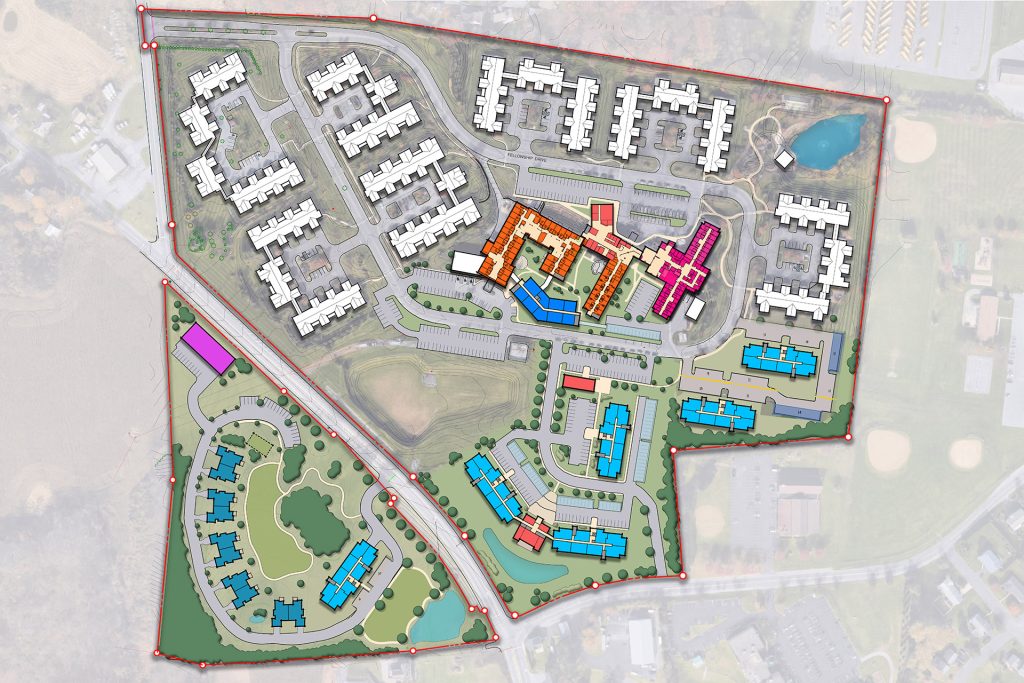
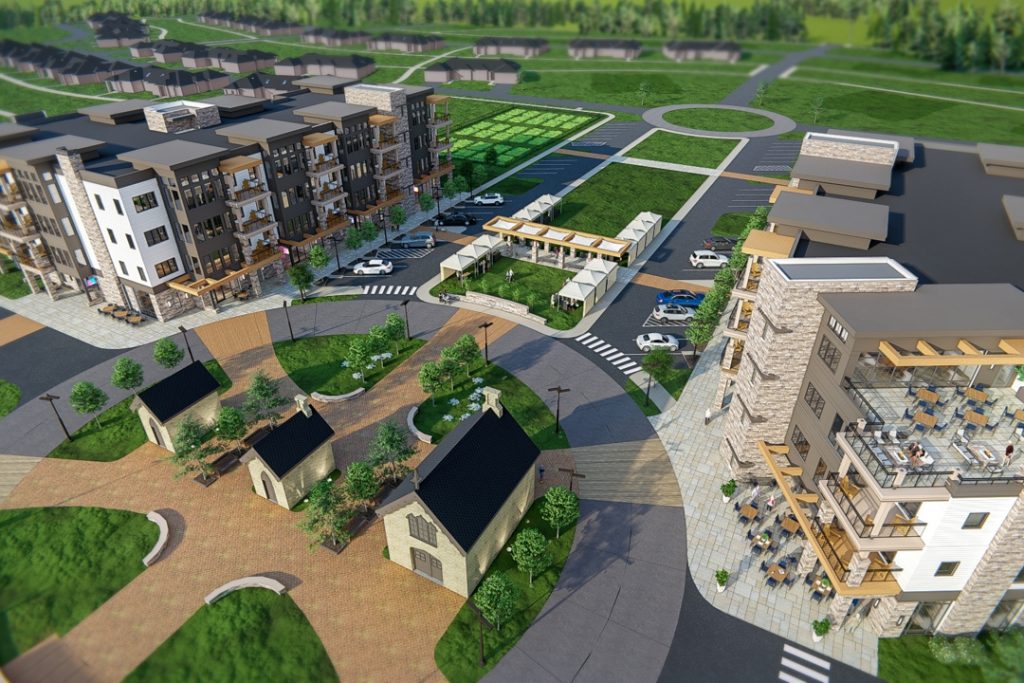
Master planning explored opportunities for multi-generational appeal resulted in a diverse, walkable village.

For more than seven decades, RLPS Architects has helped senior living organizations plan, reposition and design communities that respond to changing consumer expectations while supporting long-term operational and financial objectives.
As early faith-based care residences evolved into CCRCs and now Life Plan Communities, RLPS grew alongside them, building a nationally recognized senior living design practice. Today, our work spans the full spectrum of senior living—from independent living to assisted living, memory support and skilled nursing. We believe the most successful communities don’t simply respond to aging. They create opportunities for older adults to continue growing, connecting, contributing and pursuing the lives they want to lead.
In A Word
At Three Pillars Senior Living Communities, master planning explored opportunities to create a more diverse, walkable and intergenerational campus.


Master planning enables senior living providers to define how their organizations can evolve over time, whether through repositioning or growth on an existing campus, expansion into a satellite location, or other strategic opportunities. RLPS works with Life Plan Community teams and other development advisors to translate strategic goals into practical planning strategies that balance market opportunities, operational needs and financial performance.
The ultimate goal of master planning for Fellowship Community was campus rightsizing. Planning concepts for the 46-acre campus focused on diversifying independent living options, increasing campus density, and approaching new amenities strategically by updating what they have and then adding new with careful consideration. Revenue streams are being created first before undertaking healthcare renovations.
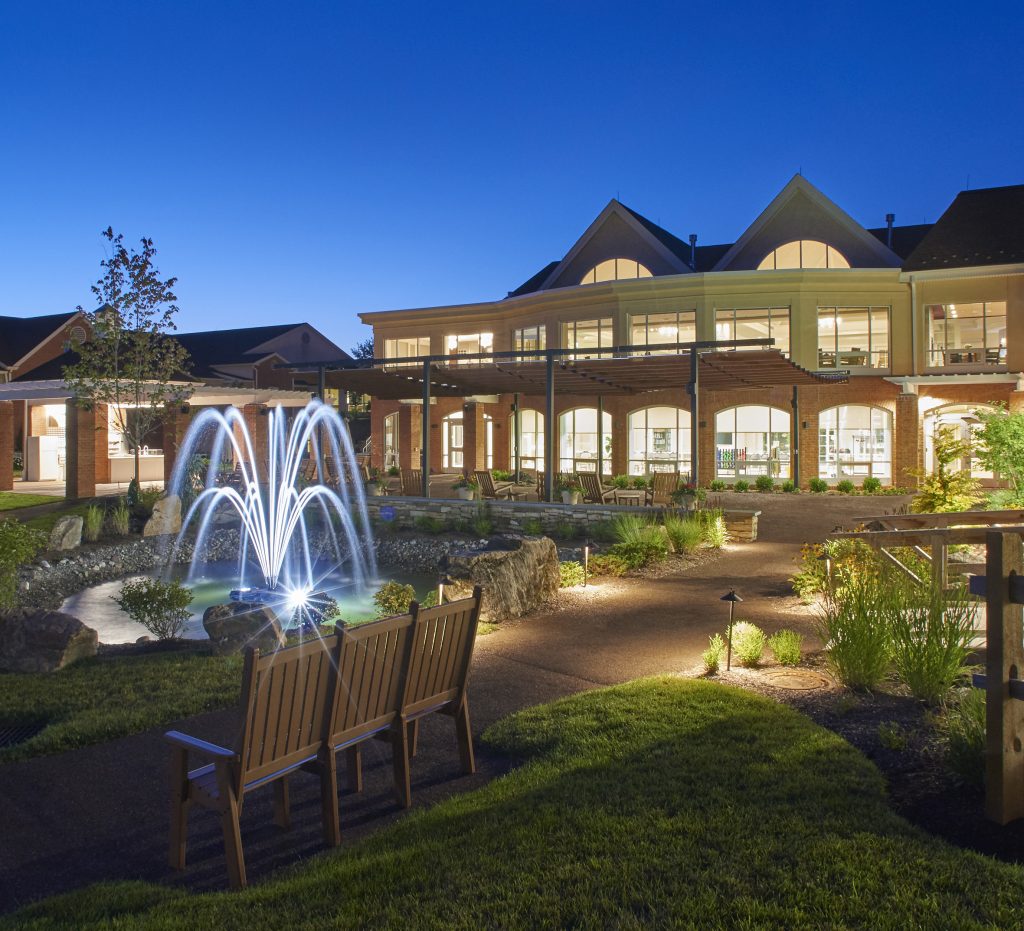
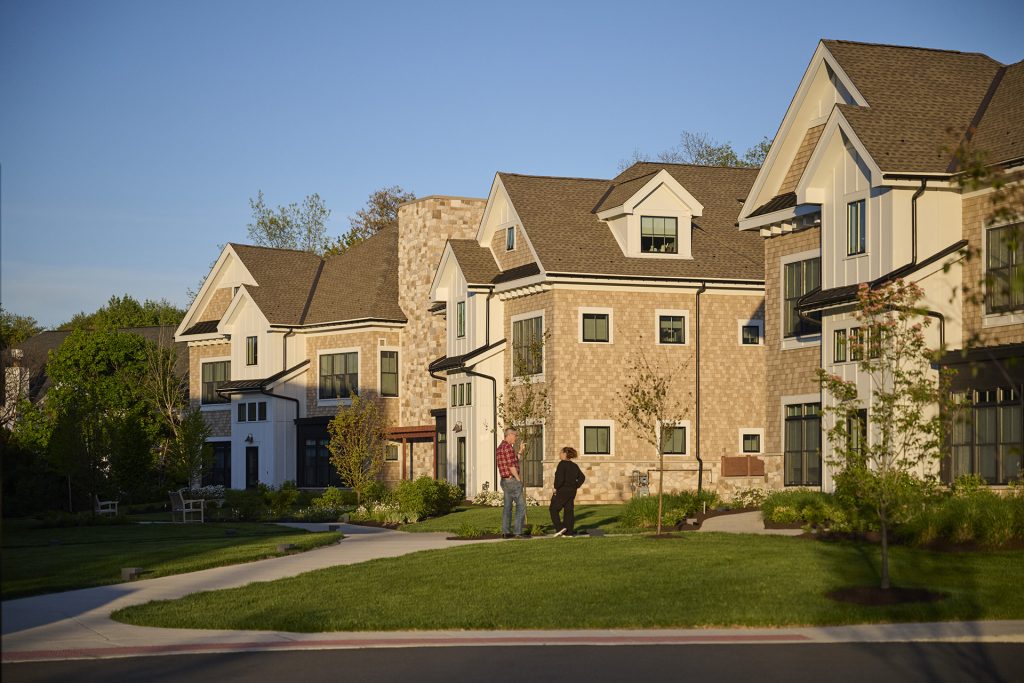
RLPS continually researches evolving consumer expectations and emerging independent living models to help Life Plan Communities remain competitive in a changing marketplace. The result is a diverse range of senior living housing options, from apartments, cottages and hybrid homes to pocket neighborhoods, smart homes and mixed-use models. We are also seeing growing interest in satellite communities, urban and downtown senior living, and University Retirement Communities.
Whether designing cottages, hybrid homes or apartments, RLPS focuses on creating housing options that respond to consumer expectations while reflecting each community’s vision, values and local market.
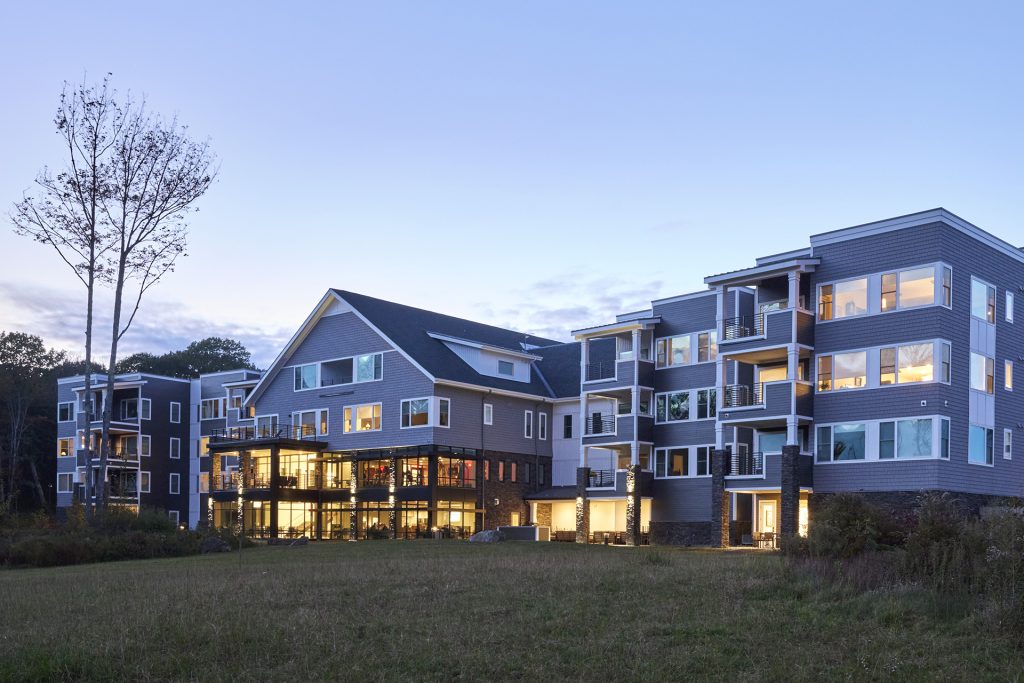
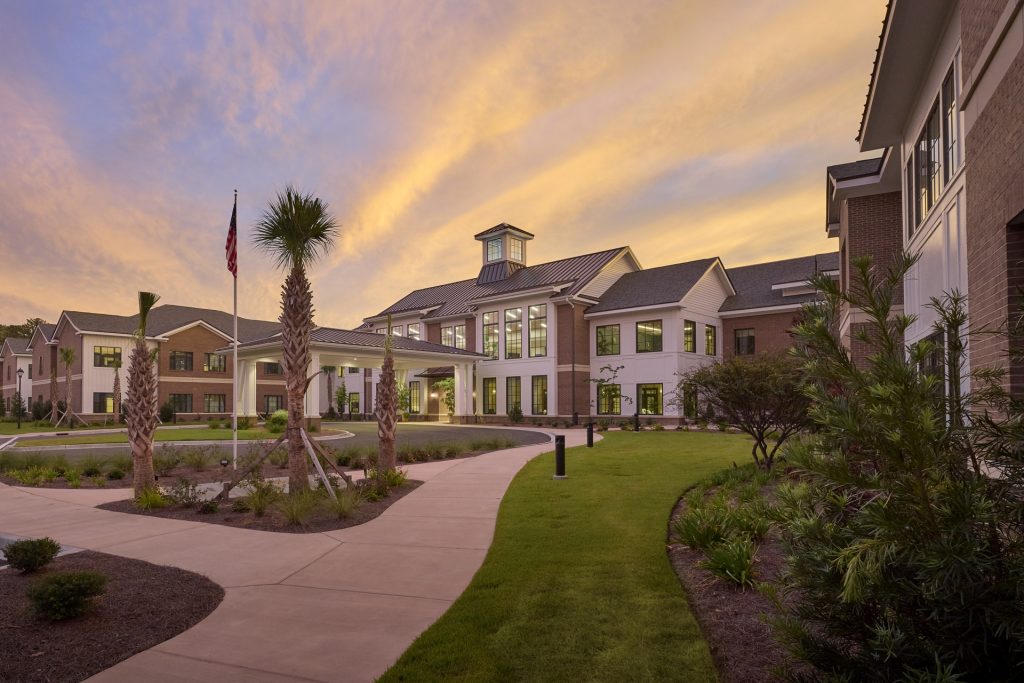
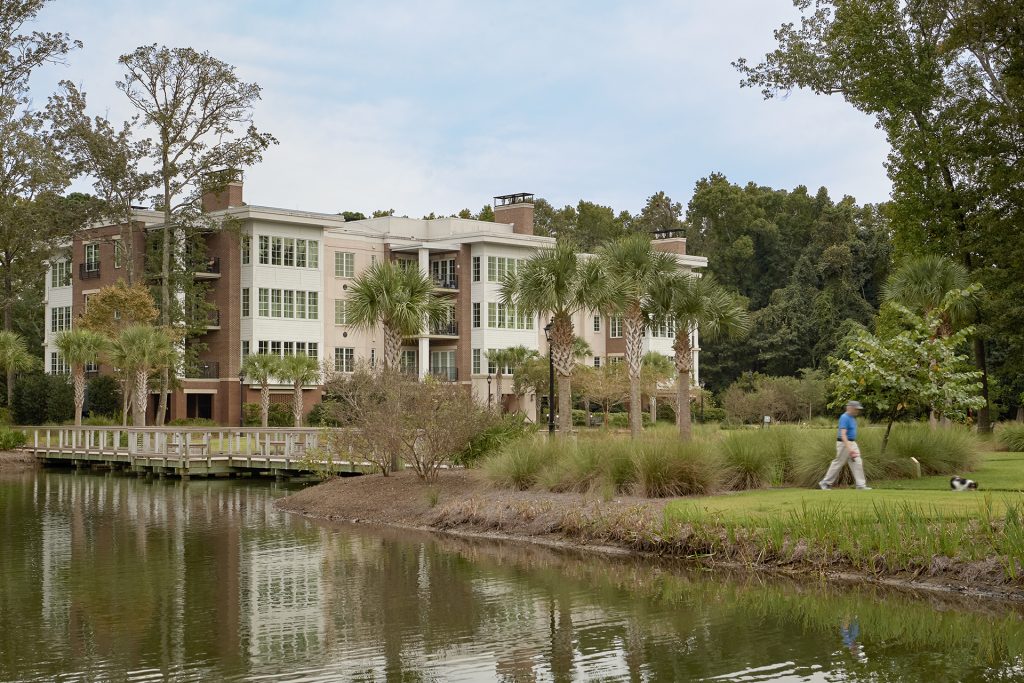
For its satellite campus, Piper Shores introduced a variety of living options. This includes single-family Estate Homes, duplex Cottage Homes, and hybrid Apartment Homes, supported by curated amenity spaces.
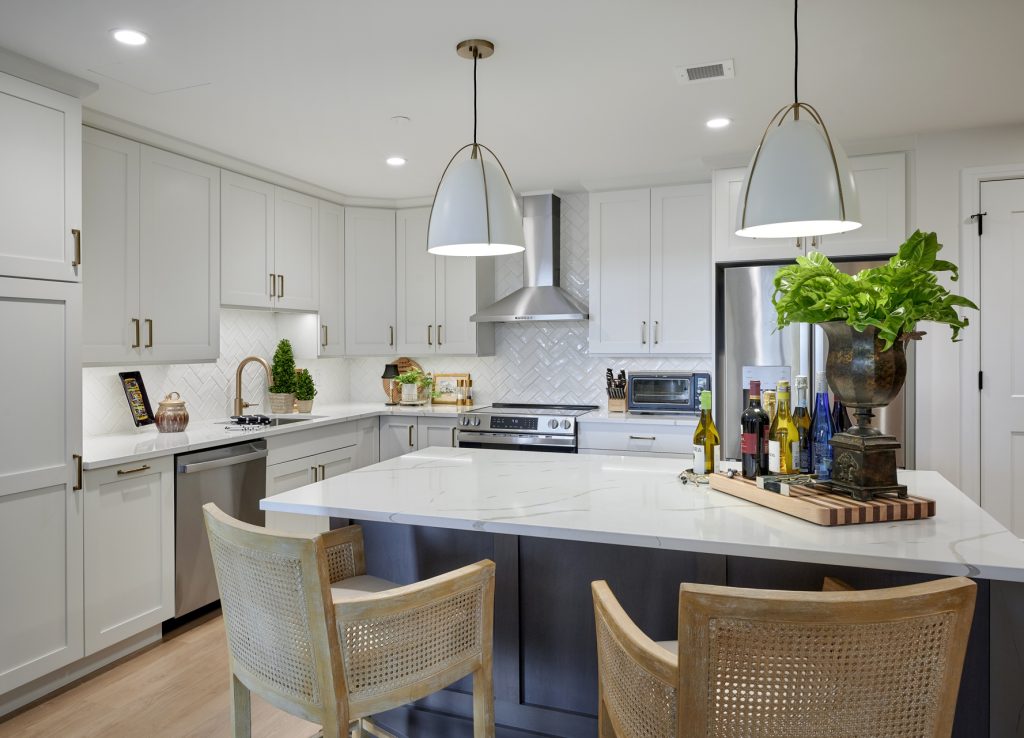
Assisted living and personal care settings require a careful balance between support and independence. Minimizing compromises from residents’ prior independent living experience is just as important as creating an efficient care setting.
Residential finishes and detailing are an important starting point, but the experience extends well beyond aesthetics. Enhanced amenities such as theaters or art studios foster continued engagement, while shared community-wide amenities can be strategically located so residents who move to assisted living can continue enjoying familiar places and activities.
Increasingly, evolving care models are creating new opportunities for aging in place, with a greater emphasis on holistic well-being. Assisted living and personal care that support body, mind and spirit can provide needed services without sacrificing choice, connection or quality of life.
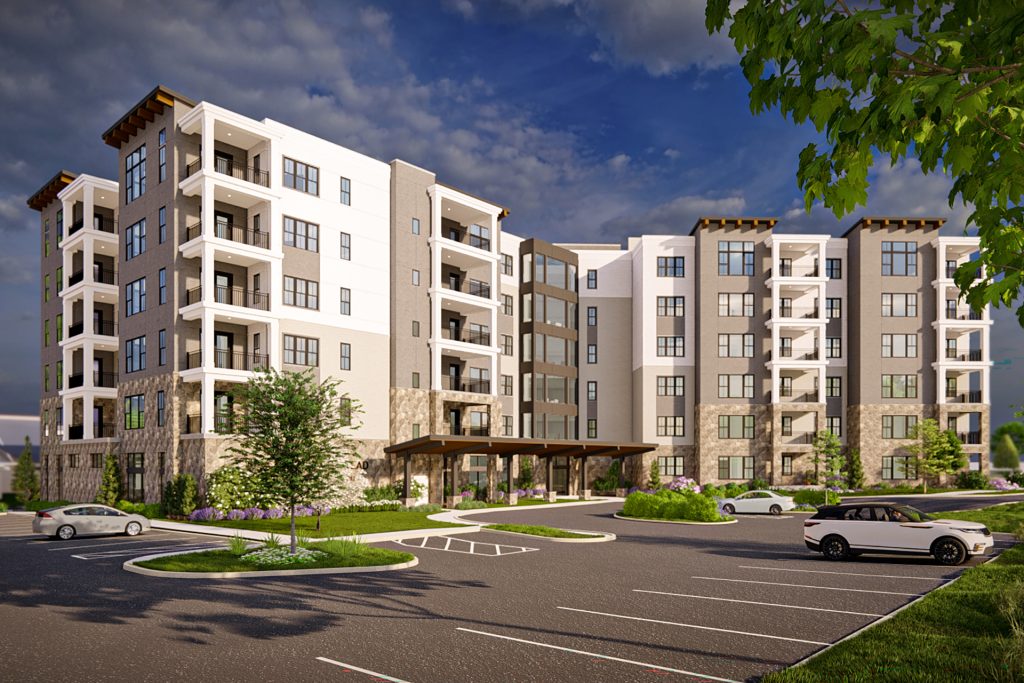
Homestead Village’s newest independent living is dual licensed, allowing residents to receive personal care in their apartment rather than having to relocate to the healthcare center as their needs change.
How people living with dementia are perceived, engaged and supported can impact quality of life almost as much as the disease itself. The built environment can serve as a silent partner in helping people live well—supporting remaining abilities, personal choice and independence while balancing the need for safety and assistance.
Dementia-supportive design starts by seeing the person, not the diagnosis, and creating authentic environments that empower individuals, foster community and provide opportunities for meaningful experiences. Whether creating a dementia-friendly campus that supports integrated living or a specialized small house, neighborhood or village setting, thoughtful design can embed intuitive cues within the environment to support wayfinding, freedom of movement and greater independence.
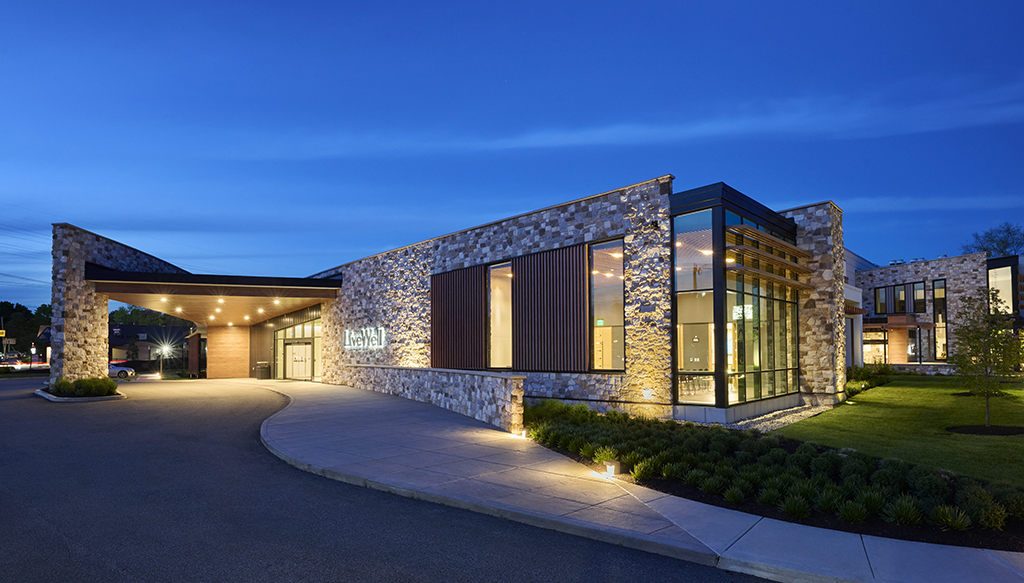
The planning process for updates to LiveWell’s campus engaged people living with dementia in focus groups to define programming objectives. The results are free-flowing indoor and outdoor spaces, accessed without the use of locked doors.
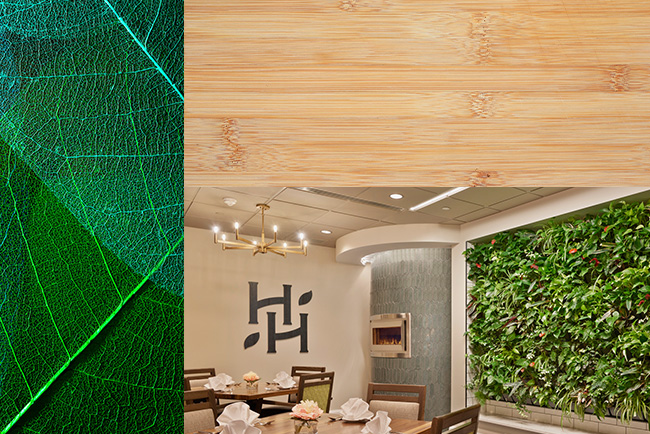
Life Plan Communities are committed to serving residents as their needs change, but fulfilling that mission over the long term requires financial sustainability. Rising costs, staffing challenges and changing reimbursement models are prompting many communities to rethink the role of skilled nursing within the continuum.
Rightsizing is not simply about reducing skilled nursing beds. It means determining how and where higher levels of care can best be delivered, while exploring opportunities to reposition existing healthcare space and create more flexible care models. The right solution may include private-room conversions, specialized care households, expanded assisted living, aging-in-place services, or a skilled nursing setting designed for residents with complex needs.
In a world where most communities are downsizing senior care, Gadsden Glen is a distinctive example of a Life Plan Community’s commitment to excellence throughout the care continuum.

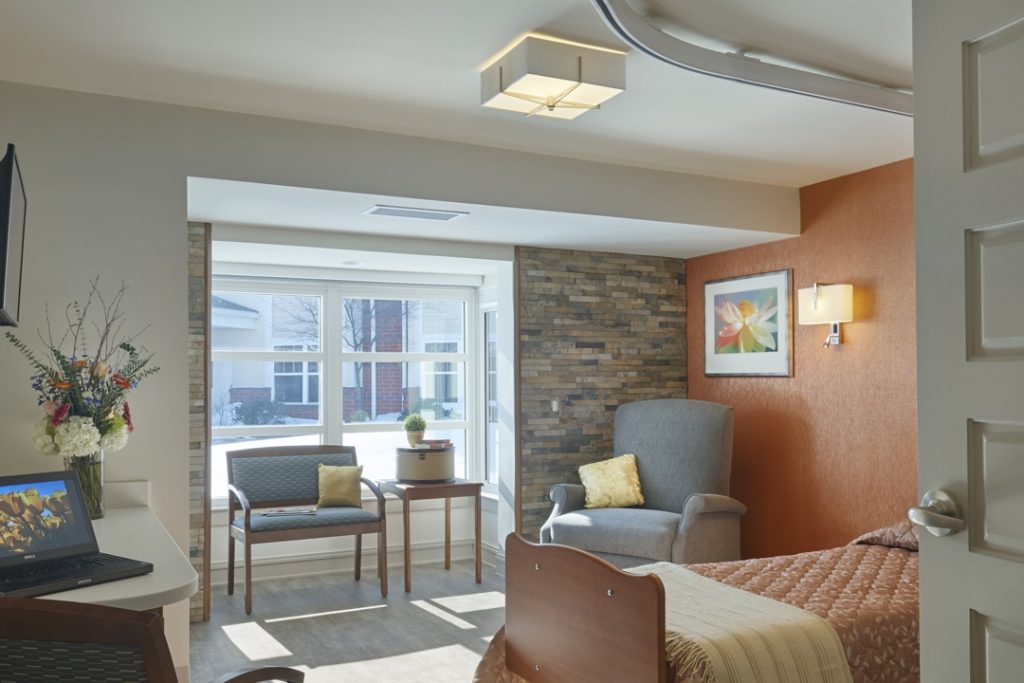
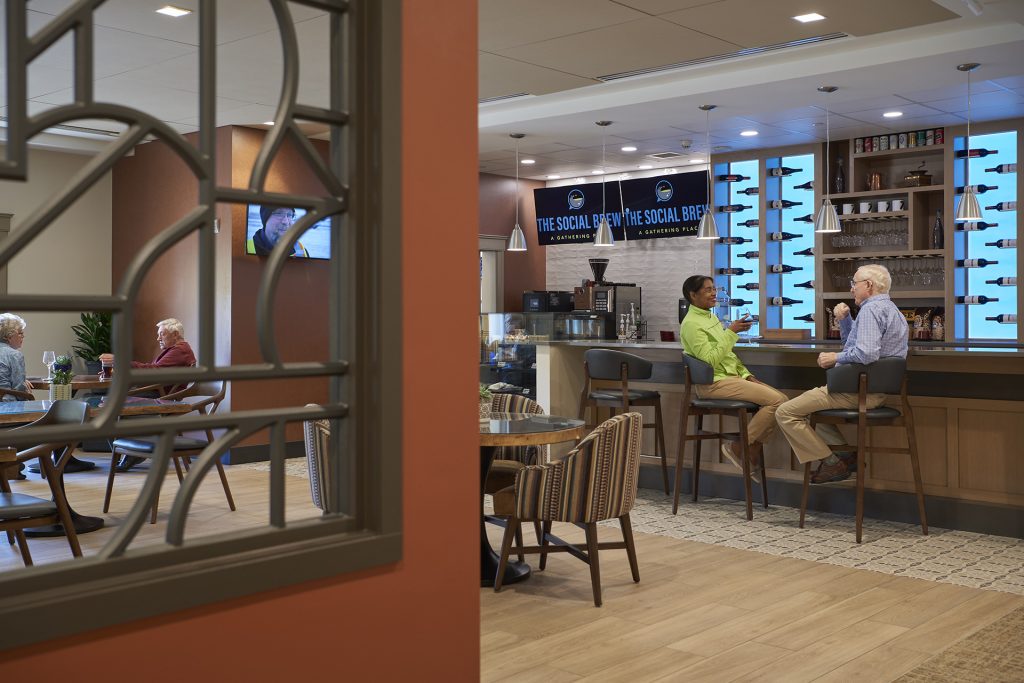
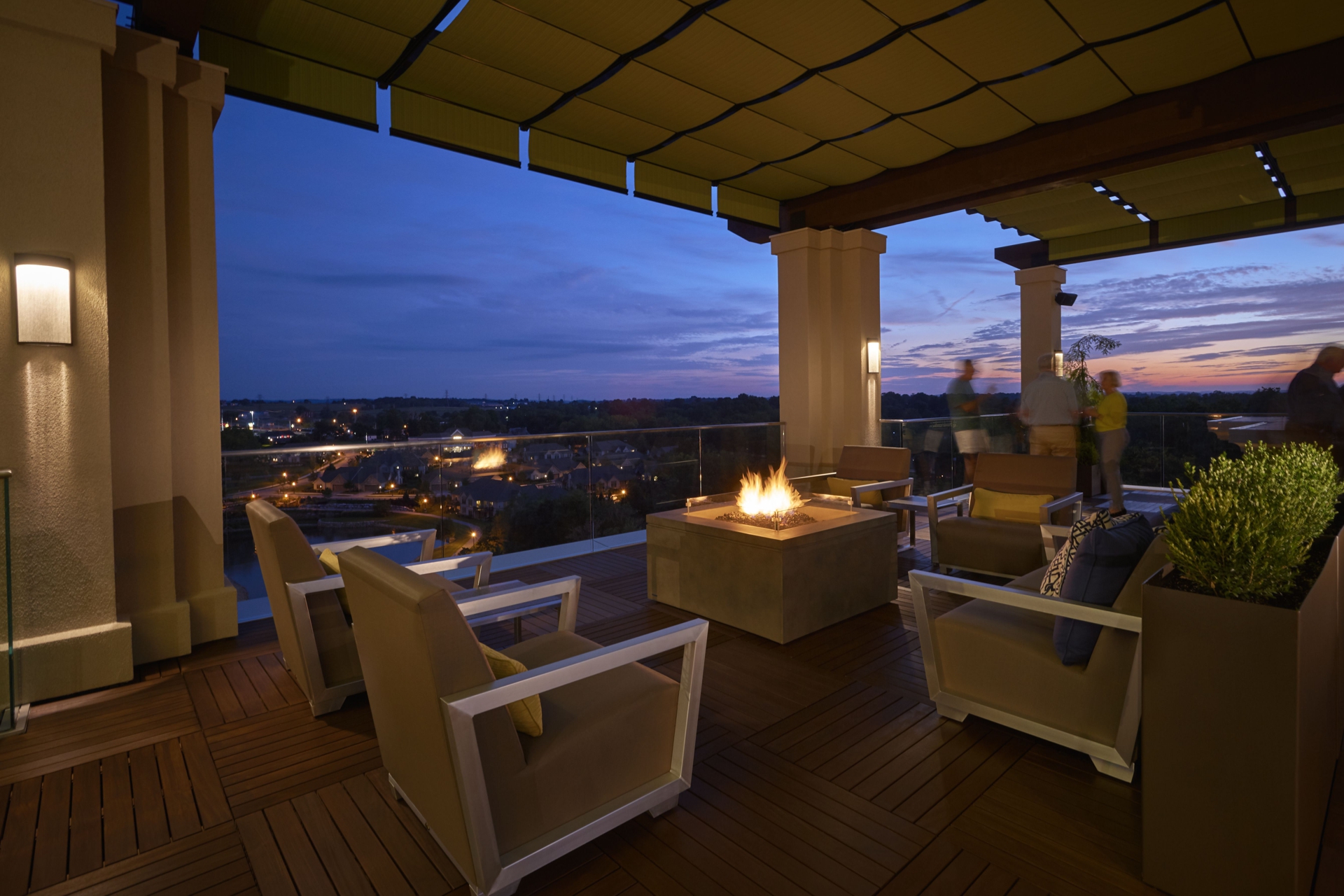
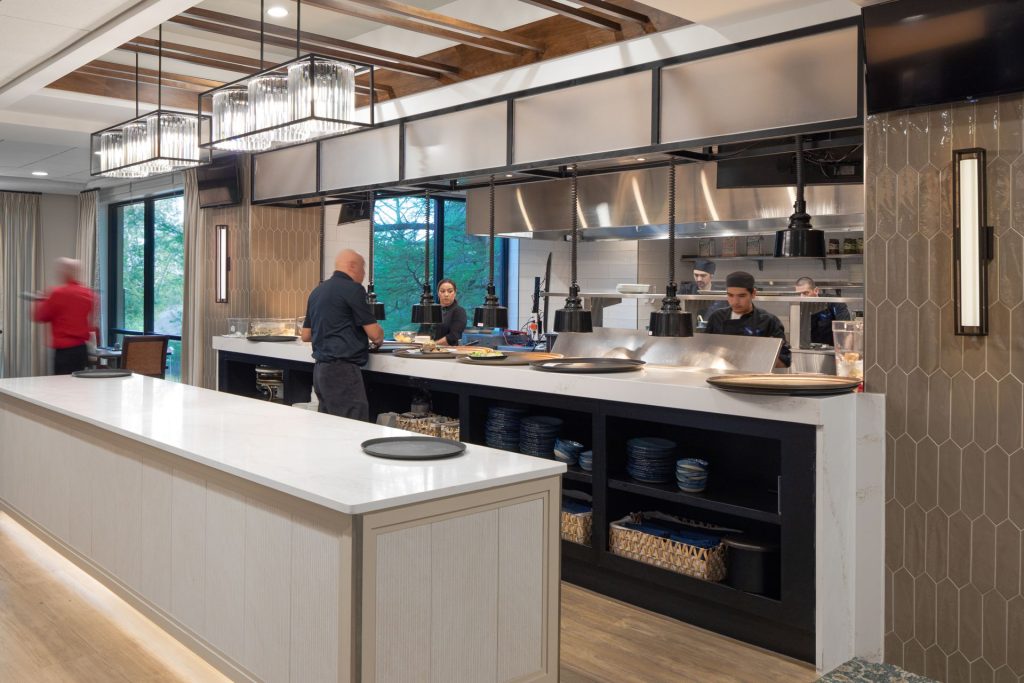
Expectations for senior living continue to evolve, with greater emphasis on engaging dining, wellness and community spaces that foster social connection, support well-being and create memorable experiences. RLPS designs dining, wellness and community spaces that bring vitality to daily life, with new and renovated environments shaped by holistic wellness principles, changing consumer expectations and intergenerational appeal.
Reinforcing each community’s vision and values within the context of regional design patterns strengthens a sense of place. Multiple small design moments, rooted in each community’s story, provide meaning and create a stronger sense of connection for residents.
Updates and expansion to Oxford Commons at Givens Estates re-energized the community center into a more vibrant destination for dining, wellness and everyday connection.


Our clients' dedication to serving seniors inspires our passion for creating authentically responsive design solutions that go beyond square-foot style programming to reach the heart and soul of the people they serve.